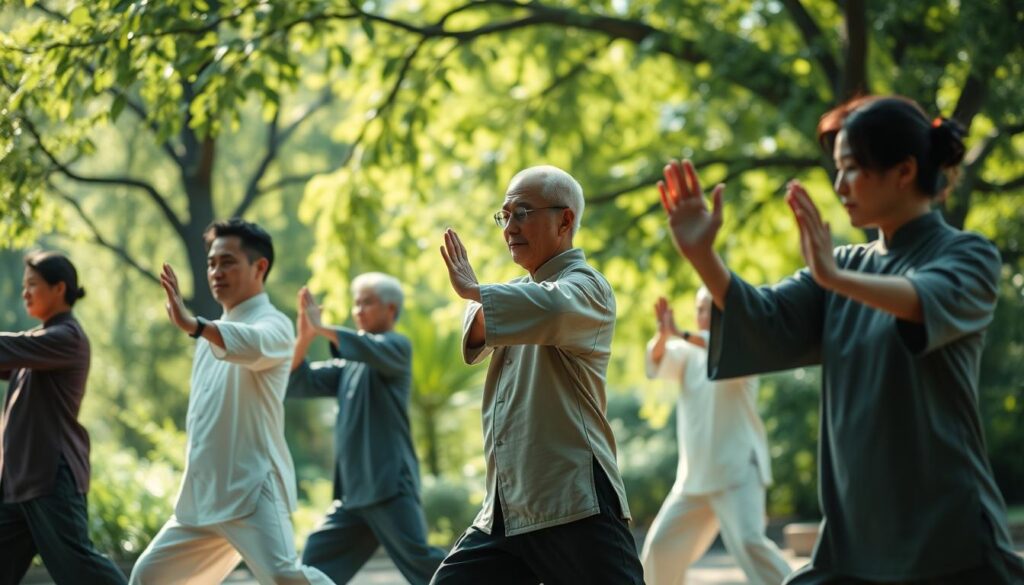
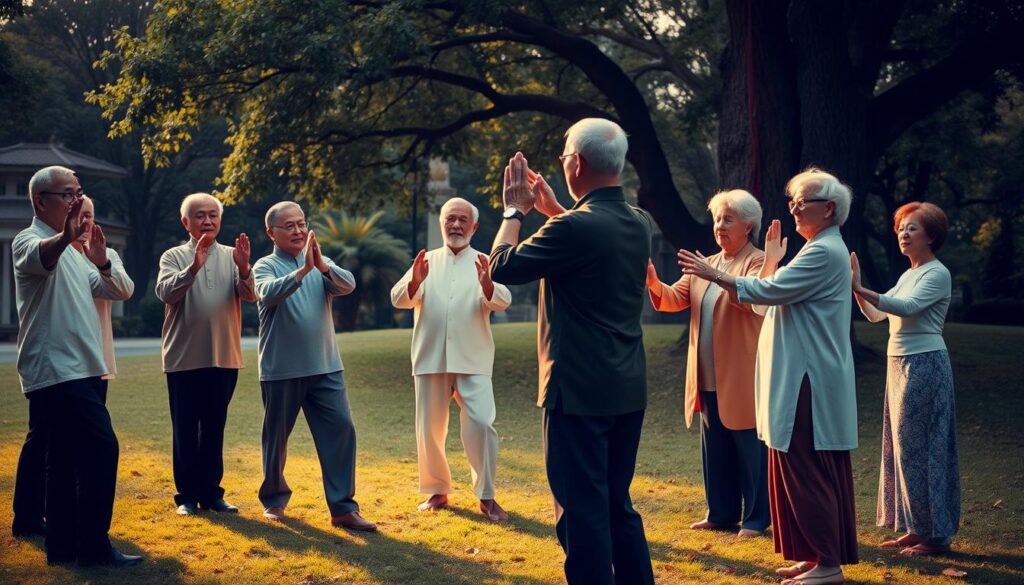
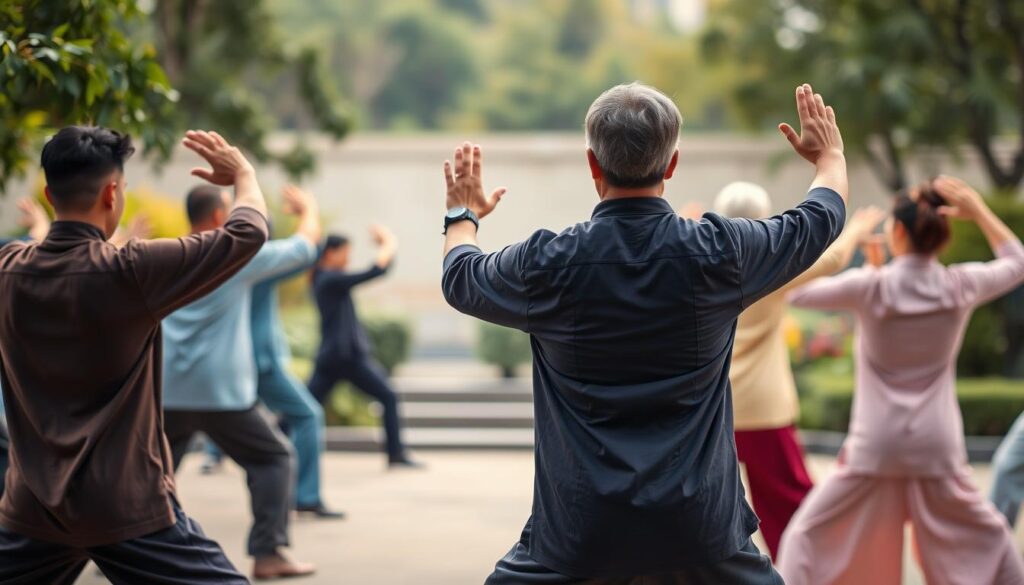
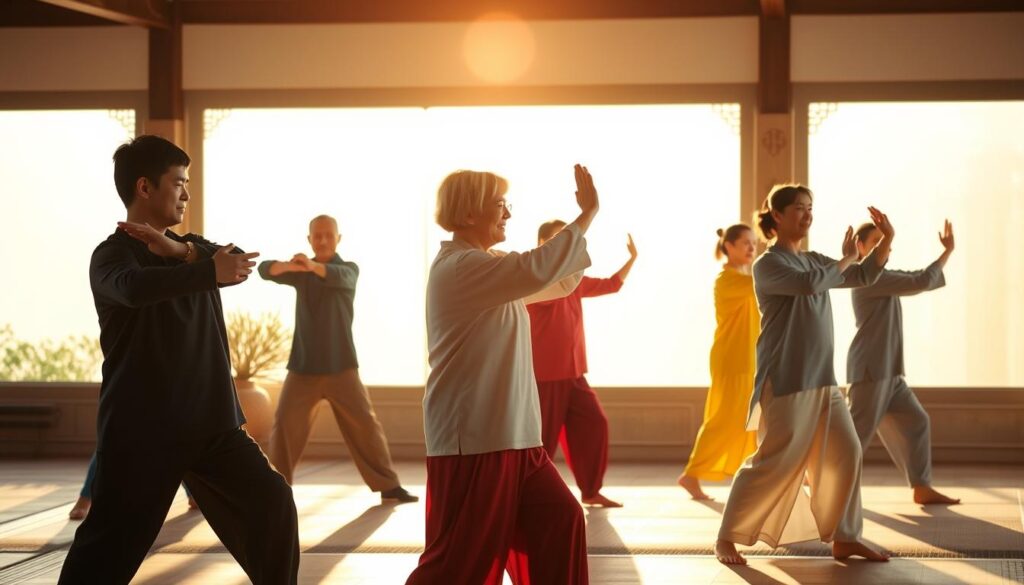
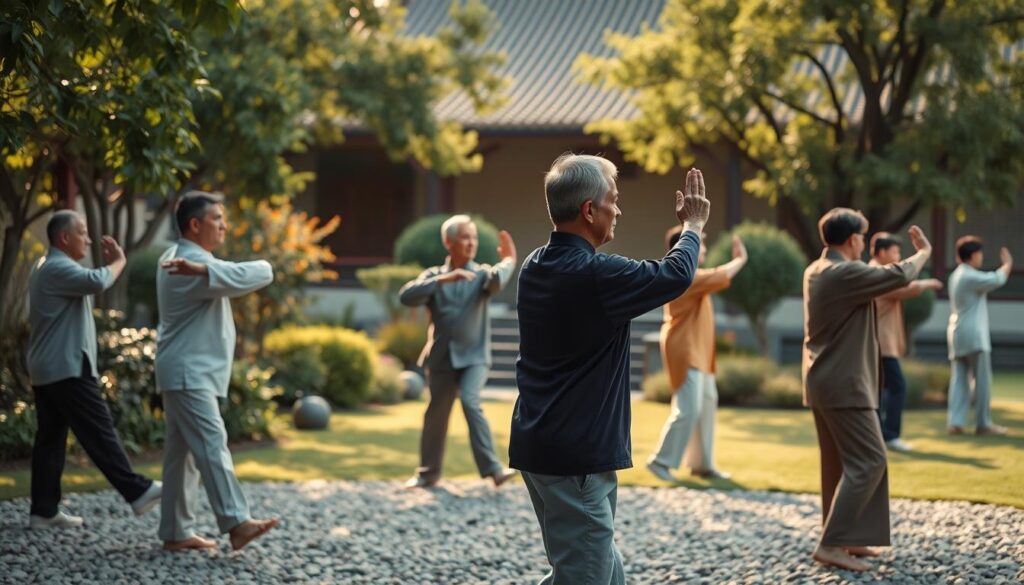
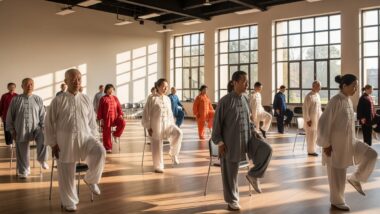
When I compare chair tai chi for seniors to chair yoga for seniors side by side, the short answer is this: chair tai chi tends to work best for balance, fall-risk reduction, and cognitive engagement through flowing movement, while chair yoga tends to work best for flexibility, joint mobility, and stress relief through static stretching and breathwork — and both are backed by real clinical research, so the "better" choice really comes down to your specific goals and physical limitations.
Chair Tai Chi vs Chair Yoga for Seniors: Quick Comparison Answer
I'll answer the core question first, then break down the "why" in the sections below.
Key Differences at a Glance
| Factor | Chair Tai Chi | Chair Yoga |
|---|---|---|
| Movement style | Continuous, flowing sequences | Static poses held for several breaths |
| Primary strength | Balance and fall prevention | Flexibility and joint mobility |
| Best evidence for | Reducing falls, improving gait speed | Reducing pain, improving range of motion |
| Mental focus | Weight-shifting, body awareness, sequence memory | Breath control, mindfulness, relaxation |
| Pace | Slow, continuous motion | Slow, hold-and-release |
| Ideal for | Seniors at high fall risk, Parkinson's patients | Seniors with arthritis, chronic pain, anxiety |
Which One Is Right for You? Fast Answer
- Choose chair tai chi if your main concern is falling, unsteadiness, or maintaining coordination.
- Choose chair yoga if your main concern is stiff joints, chronic pain, or stress and poor sleep.
- Choose both if you want a well-rounded program — many senior centers offer them on alternating days for exactly this reason.
What Is Chair Tai Chi?
Chair tai chi is a seated adaptation of the traditional Chinese martial art that replaces standing weight shifts with upper-body and seated-leg movements performed while sitting in or holding onto a sturdy chair.
Core Principles of Seated Tai Chi for Seniors
- Slow, continuous motion: Movements flow into one another without pausing, unlike the hold-based poses of yoga.
- Weight awareness: Even seated, practitioners learn to shift weight through the hips and torso, which helps improve balance function in older adults through controlled displacement of body mass and postural orientation.
- Coordinated breathing: Inhalation and exhalation are timed to each arm or torso movement.
- Mind-body focus: Concentrating on sequence and form engages memory and attention simultaneously with movement, consistent with the link between physiological arousal and motor readiness described in tai chi research (source).
Typical Movements in a Chair Tai Chi Session
| Movement | What It Trains |
|---|---|
| "Parting the Wild Horse's Mane" (seated arm sweep) | Shoulder mobility, coordination |
| Seated weight shifts | Core stability, postural control |
| Cloud hands (seated) | Trunk rotation, upper-body coordination |
| Gentle heel/toe taps | Ankle mobility, circulation |
| Breathing with arm raises | Lung capacity, relaxation response |
Who Chair Tai Chi Is Best Suited For
- Seniors with a history of falls or a diagnosed high fall risk
- People with Parkinson's disease, since research summarized from the New England Journal of Medicine showed tai chi improved balance, flexibility, and muscle strength in seniors with Parkinson's disease (source)
- Those who want a low-impact but mentally engaging practice that also builds coordination
What Is Chair Yoga?
Chair yoga is an adapted form of traditional yoga in which a chair is used for support during poses and stretches, making the practice milder, safer, and more accessible for beginners or those with limited mobility, arthritis, or past injuries.
Core Principles of Seated Yoga for Seniors
- Static holds: Poses are held for several breaths rather than flowing continuously.
- Breath-centered practice: Following a steady breathing rhythm while concentrating on each movement often creates a sense of calm and relief from anxiety.
- Gentle strengthening: Holding poses that stretch and tone muscles allows seniors to build strength without strain.
- Adaptability: Nearly every standing or floor yoga pose has a seated modification.
Typical Poses in a Chair Yoga Session
| Pose | What It Trains |
|---|---|
| Seated cat-cow | Spinal mobility |
| Seated forward fold | Hamstring and lower back flexibility |
| Seated twist | Spinal rotation, digestion |
| Seated mountain pose | Posture, core engagement |
| Chair-supported warrior | Standing balance with support |
| Seated pigeon (figure-4 stretch) | Hip flexibility |
Who Chair Yoga Is Best Suited For
- Seniors with arthritis or chronic joint pain
- Those managing stress, anxiety, or sleep difficulty
- People recovering from injury or surgery who need very gentle, adaptable movement
- Wheelchair users, since nearly the entire practice can be done from a seated position
Chair Tai Chi vs Chair Yoga: Head-to-Head Comparison
Here I compare the two practices directly across the factors that matter most to seniors choosing between them.
Movement Style: Flowing Sequences vs Static Holds
- Chair tai chi uses continuous, circular movement — one posture blends into the next.
- Chair yoga uses discrete poses held for a set count of breaths, with rest between them.
- Takeaway: If you prefer rhythm and flow, tai chi will feel more natural; if you prefer clear start/stop structure, yoga will feel more approachable.
Balance and Fall Prevention Benefits Compared
- Chair tai chi: A meta-analysis of 24 randomized controlled trials found tai chi reduces the risk of falls in older adults by roughly 24% (RR: 0.76) and significantly improves timed up-and-go and functional reach test scores (source).
- Chair yoga: A study of older adults with a median age of 88 found that 8 weeks of regular chair yoga improved mobility and decreased fear of falling, with no adverse effects (source).
- Verdict: Tai chi has a larger and more consistent evidence base specifically for fall prevention, though chair yoga also shows measurable balance gains.
Flexibility and Range of Motion Benefits Compared
- Chair yoga: A study of community-dwelling older women found that 12 weeks of chair yoga improved strength in the hands, arms, and legs, along with balance, agility, gait, and flexibility (source).
- Chair tai chi: Gentle, flowing movements support cardiovascular health, strengthen muscles, and enhance joint flexibility as part of a holistic approach to physical well-being (source).
- Verdict: Chair yoga's static stretches typically produce more targeted flexibility gains.
Strength-Building Potential of Each Practice
- Chair yoga: A study published in Topics in Geriatric Rehabilitation found that chair yoga significantly improves handgrip strength, upper-body strength, lower-body strength, and static and dynamic balance (source).
- Chair tai chi: Builds functional lower-leg and core strength through sustained isometric holds during weight shifts, though it's not primarily a strength-training modality.
Mental and Emotional Benefits Compared
- Chair tai chi: Engages memory and sequencing, supporting cognitive engagement alongside movement (source).
- Chair yoga: Regular practice can have a calming effect on the nervous system and help maintain healthy blood pressure (source).
Breathing Techniques in Chair Tai Chi vs Chair Yoga
| Aspect | Chair Tai Chi | Chair Yoga |
|---|---|---|
| Breath pattern | Continuous, matched to flowing movement | Held during static poses, often with counted inhale/exhale |
| Primary goal | Coordinating breath with motion | Deepening relaxation and pose stability |
Pace and Energy Level Differences
- Chair tai chi moves continuously at a slow, meditative pace with no rest breaks between movements.
- Chair yoga alternates between active holds and rest, giving natural pause points.
Equipment and Space Needed for Each
- Both practices require: a sturdy, armless chair with a flat seat placed on a non-slip surface.
- Chair yoga may add: a yoga strap or small towel for deeper stretches.
- Chair tai chi may add: slightly more open space around the chair for arm sweeps.
Health Benefits of Chair Tai Chi for Seniors
Beyond balance, chair tai chi delivers benefits across cardiovascular, joint, and cognitive health.
Cardiovascular and Circulatory Benefits
- Gentle aerobic effect: Tai chi's gentle, flowing movements support cardiovascular health while strengthening muscles (source).
- Improved circulation: Continuous arm and leg movement encourages blood flow without straining the heart.
Joint Health and Arthritis Relief
- Low-impact loading: Seated movements reduce joint stress compared to standing exercise.
- Improved mobility: Tai chi's low-intensity, easy-to-learn, group-oriented format makes it an accessible option that supports muscle strength and joint flexibility (source).
Cognitive Benefits of Seated Tai Chi
- Mood and arousal regulation: Tai chi's balance of cognitive and motor processes links physiological arousal to emotional and motor readiness (source).
- Social connection: Practicing in a group setting fosters mental well-being by reducing loneliness and enhancing a sense of belonging (source).
Health Benefits of Chair Yoga for Seniors
Chair yoga's benefits center on flexibility, pain relief, and mental well-being.
Flexibility and Joint Mobility Benefits
- Arthritis relief: A small 2023 study of 85 older Taiwanese women with knee osteoarthritis found that after 12 weeks of chair yoga, participants saw improved functional fitness (source).
- Daily function: A 12-week chair yoga program significantly reduced pain and improved daily function in women over 65 with knee osteoarthritis (source).
Stress Reduction and Better Sleep
- Sleep and stress: A Harvard Health Publishing article reported that chair yoga can reduce stress, improve sleep, enhance flexibility, and lower the risk of falls (source).
- Blood pressure: One study linked chair yoga to lower blood pressure, indicating it may benefit heart health as well (source).
Posture and Spinal Health Benefits
- Improved alignment: Seated spinal twists and forward folds counteract the forward-hunched posture common with prolonged sitting.
- Quality of life: A 2019 systematic review found that yoga improves multiple markers of physical function and overall health-related quality of life in older adults (source).
Safety Considerations: Chair Tai Chi vs Chair Yoga for Seniors with Mobility Limitations
I always recommend checking with a physician before starting either practice, especially with pre-existing conditions — but here's how the two compare on safety.
Safety Profile of Chair Tai Chi
- Very low injury risk since movements stay within a controlled, seated range of motion.
- Best for unsteady seniors because it never requires leaving the chair unless doing an optional standing variation.
Safety Profile of Chair Yoga
- Adjustable intensity: Poses can be modified in depth, making it easy to stay within a safe range.
- No adverse events reported: The study of adults with a median age of 88 found no adverse effects after 8 weeks of chair yoga (source).
Conditions Where One May Be Preferred Over the Other
Seniors with Arthritis or Joint Pain
Chair yoga's static stretching is generally gentler on inflamed joints than continuous movement.
Seniors with Parkinson's Disease
Chair tai chi has stronger targeted evidence: research reported from the New England Journal of Medicine showed tai chi improved balance, flexibility, and muscle strength in seniors with Parkinson's disease (source).
Seniors Recovering from Stroke or Surgery
Both are appropriate with medical clearance; chair yoga's pause-and-hold structure may be easier to modify moment-to-moment during early recovery.
Seniors with Osteoporosis
Avoid deep forward folds or twists in either practice; a physical therapist can help select safe modifications.
Chair Tai Chi vs Chair Yoga for Seniors: Which Is Better for Specific Goals?
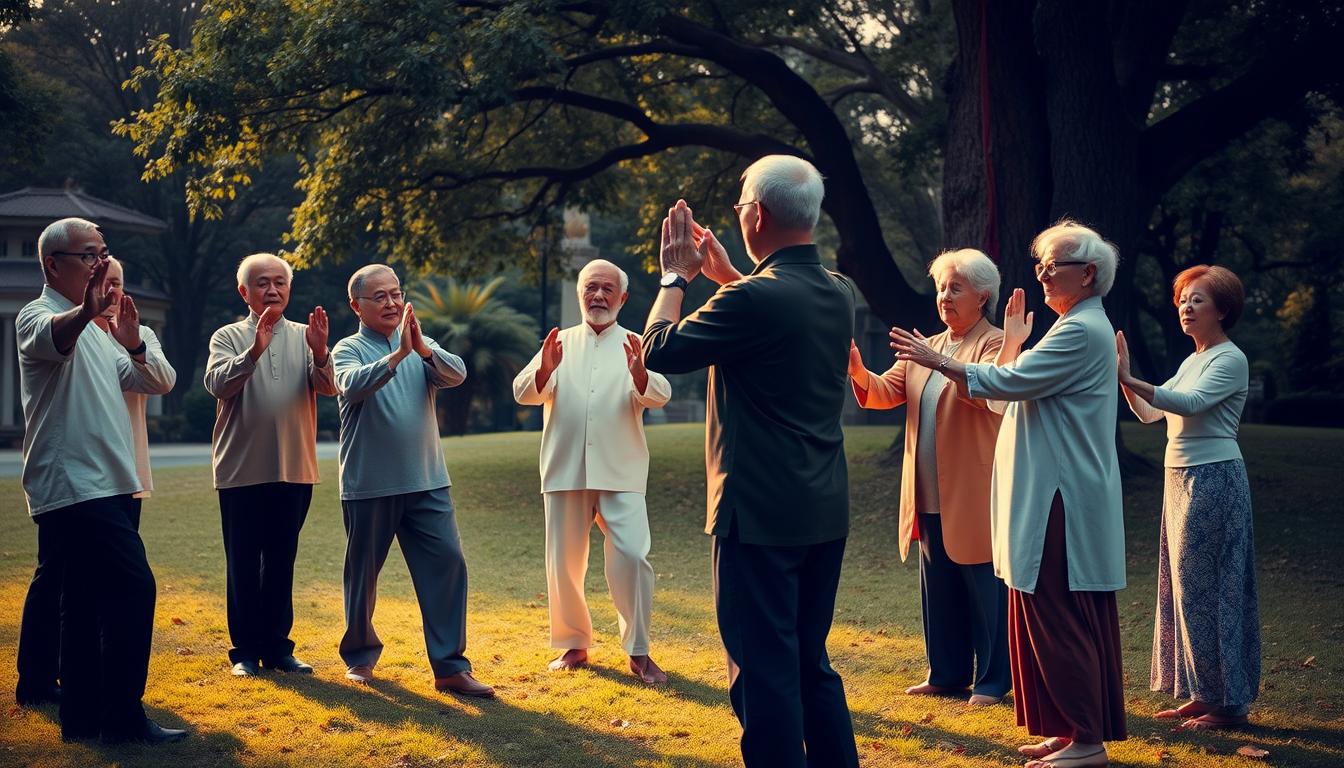
Matching the practice to your specific goal makes the decision much easier.
Best Option for Improving Balance and Preventing Falls
Chair tai chi — tai chi reduced fall risk by roughly 24% and decreased the number of falls in a meta-analysis of 24 randomized controlled trials (source). This matters given that, in the United States, over 14 million, or one in four, adults ages 65 and older report falling each year, with about 37% of falls resulting in an injury requiring medical treatment (source).
Best Option for Reducing Stress and Anxiety
Chair yoga — its focus on breathing and gentle movement helps reduce stress and promote relaxation, and enhances mental clarity and focus.
Best Option for Building Strength
Chair yoga, based on documented improvements in handgrip, upper-body, and lower-body strength.
Best Option for Complete Beginners
Either — both are low-cost, low-risk entry points, but chair yoga's discrete poses may be easier to learn one at a time versus tai chi's continuous flow.
Best Option for Seniors with Very Limited Mobility or Wheelchair Users
Chair yoga, since it is designed to be milder and more accessible for those with limited mobility and translates naturally to a wheelchair setup.
Can Seniors Do Both Chair Tai Chi and Chair Yoga?
Yes — I regularly see senior centers program both practices in the same week because they target complementary systems (balance and coordination vs. flexibility and relaxation).
Sample Weekly Schedule Combining Chair Tai Chi and Chair Yoga
| Day | Practice | Focus |
|---|---|---|
| Monday | Chair Tai Chi | Balance and coordination |
| Wednesday | Chair Yoga | Flexibility and stress relief |
| Friday | Chair Tai Chi | Balance reinforcement |
| Weekend | Rest or light stretching | Recovery |
Benefits of Combining Both Practices
- Comprehensive coverage: balance/fall prevention (tai chi) plus flexibility/pain relief (yoga)
- Variety reduces boredom and improves long-term adherence
- Different social groups at senior centers can expand community connection
How to Get Started with Chair Tai Chi as a Senior
Starting is simpler — and cheaper — than most people expect.
Finding Chair Tai Chi Classes for Seniors Near You
- Senior centers: Many offer dedicated "Chair Tai Chi" or "Tai Chi for Arthritis and Fall Prevention" classes, often for around $20 per month
- YMCAs: Frequently include tai chi at no extra cost with membership.
- Area Agencies on Aging: Often list free or donation-based classes in your county.
Online Chair Tai Chi Resources and Videos
- Search for "seated tai chi for seniors" or "Tai Chi for Arthritis and Fall Prevention" (an evidence-based program developed specifically for older adults, referenced through community programs such as this one: source).
- Many senior centers now stream classes via Zoom for a suggested donation of a few dollars per class.
What to Wear and What Equipment You Need
| Item | Purpose |
|---|---|
| Sturdy armless chair | Stable base for seated movement |
| Comfortable, loose clothing | Allows full arm and torso movement |
| Flat, supportive shoes or bare feet | Stability during any standing variations |
| Non-slip mat under the chair | Prevents chair from sliding |
How to Get Started with Chair Yoga as a Senior
Chair yoga is equally accessible and widely available in community settings.
Finding Chair Yoga Classes for Seniors Near You
- Senior centers and community centers: Often priced similarly to tai chi, roughly $28.75–$35.75 per month, with discounts for combination classes.
- Libraries and faith-based centers: Frequently host free chair yoga sessions
- Physical therapy clinics: Some offer chair yoga as part of fall-prevention or arthritis programs.
Online Chair Yoga Resources and Videos
- Search YouTube for "chair yoga for seniors beginners" for free, instructor-led sessions.
- Many hospital wellness programs and senior living communities post free recorded classes.
What to Wear and What Equipment You Need
| Item | Purpose |
|---|---|
| Sturdy armless chair | Base for seated poses |
| Stretchy, comfortable clothing | Allows twists and forward folds |
| Yoga strap or towel (optional) | Assists with deeper stretches |
| Small cushion (optional) | Extra seat support if needed |
Cost Comparison: Chair Tai Chi vs Chair Yoga Classes for Seniors
Cost is rarely a barrier for either practice, based on real senior center pricing I reviewed.
Average Class Prices and Free Resources
| Format | Typical Cost |
|---|---|
| Senior center monthly package | $28.75–$35.75 per month for chair yoga or chair tai chi |
| Punch card / drop-in classes | Around $5–$10 per class, with virtual classes often free |
| YMCA / membership-based classes | Often free with membership; roughly $10 per class at independent studios (source) |
| Donation-based community classes | Suggested donation of $2–$3 per class |
Community Center and Senior Center Program Options
- Area Agencies on Aging frequently subsidize or fully cover class costs (source).
- Faith-based and library programs often run completely free sessions.
- Some programs are entirely free, such as no-cost tai chi, yoga, and chair yoga classes offered through community caring programs.
Expert and Instructor Tips for Choosing Between Chair Tai Chi and Chair Yoga
A few practical questions can make the decision process much faster.
Questions to Ask Before Starting Either Practice
- What is my primary goal — balance, flexibility, strength, or stress relief?
- Do I have joint pain that makes static holds (yoga) or continuous movement (tai chi) more comfortable?
- Am I at high risk of falling? If so, prioritize the practice with the strongest fall-prevention evidence.
- Is there a class near me, or will I need to rely on video instruction?
Signs You Should Consult a Doctor Before Starting
- Recent fall, fracture, or surgery within the past few months
- Uncontrolled high or low blood pressure
- Severe balance disorders or vertigo
- New or worsening joint pain with swelling
- Diagnosed osteoporosis, since certain twists and forward folds may need modification
I'll note that the rising toll from falls makes this decision more than academic: the age-adjusted fall death rate increased by 21% from 64.7 per 100,000 older adults in 2018 to 78.4 per 100,000 older adults in 2024 (source), which is exactly why practices like chair tai chi and chair yoga — grounded in real clinical evidence — are worth taking seriously as part of a senior's regular routine.