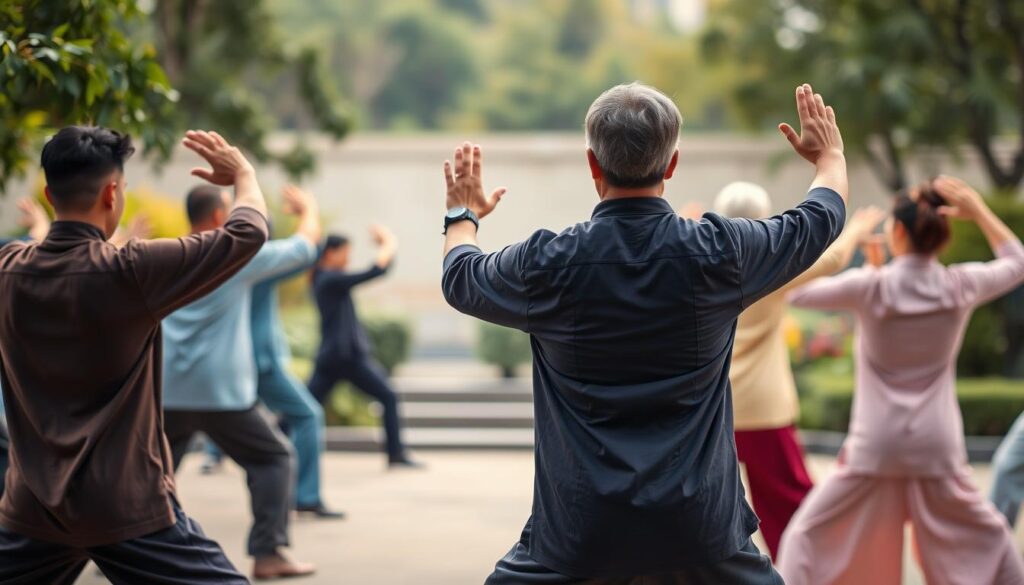
Falls send 3 million older adults to emergency rooms each year. One in four Americans aged 65+ falls annually, with 20% of these incidents causing serious injury. They're usually the result of weak stabilizer muscles, slow reflexes, or a body that's lost touch with where it is in space.
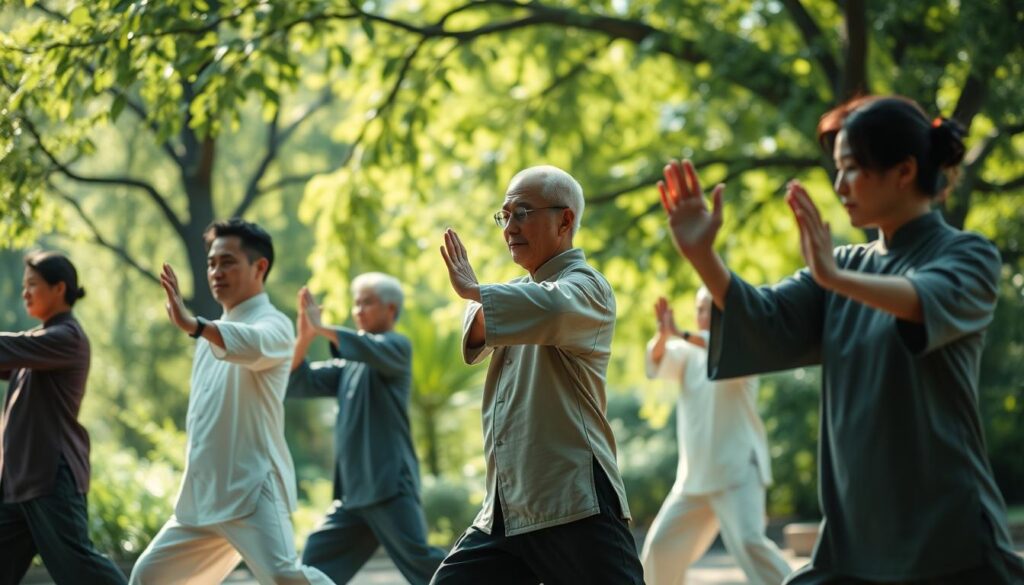
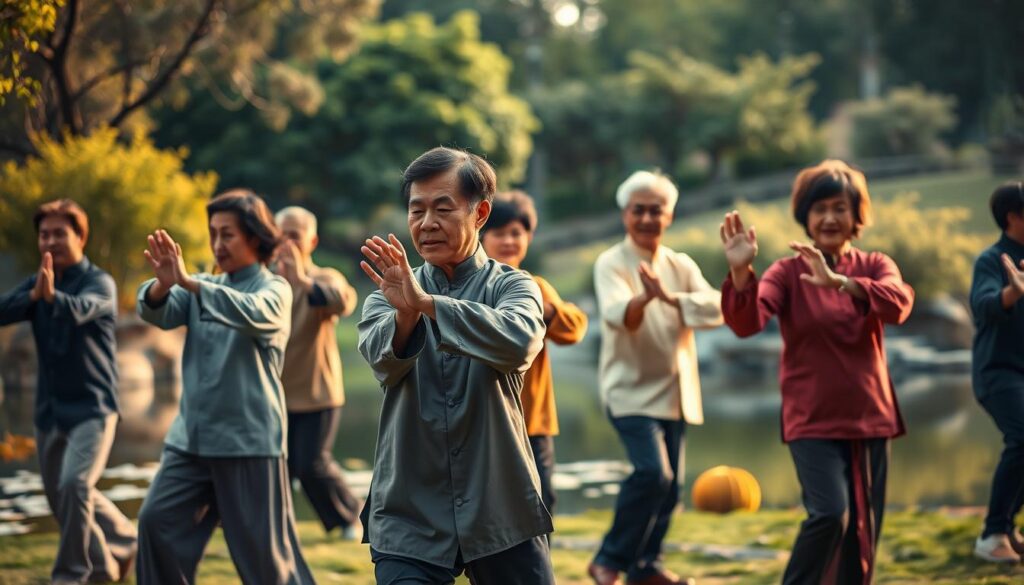
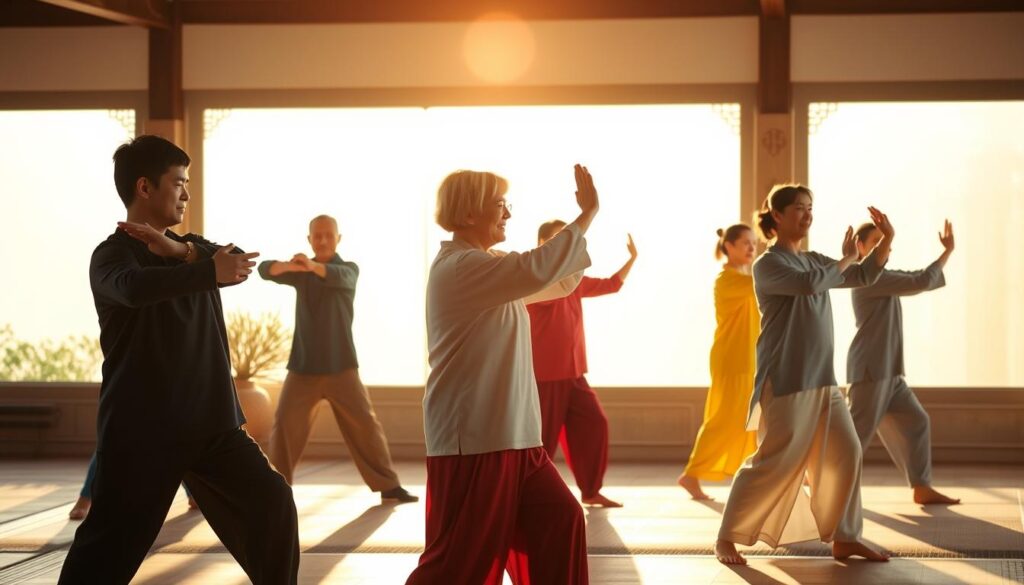
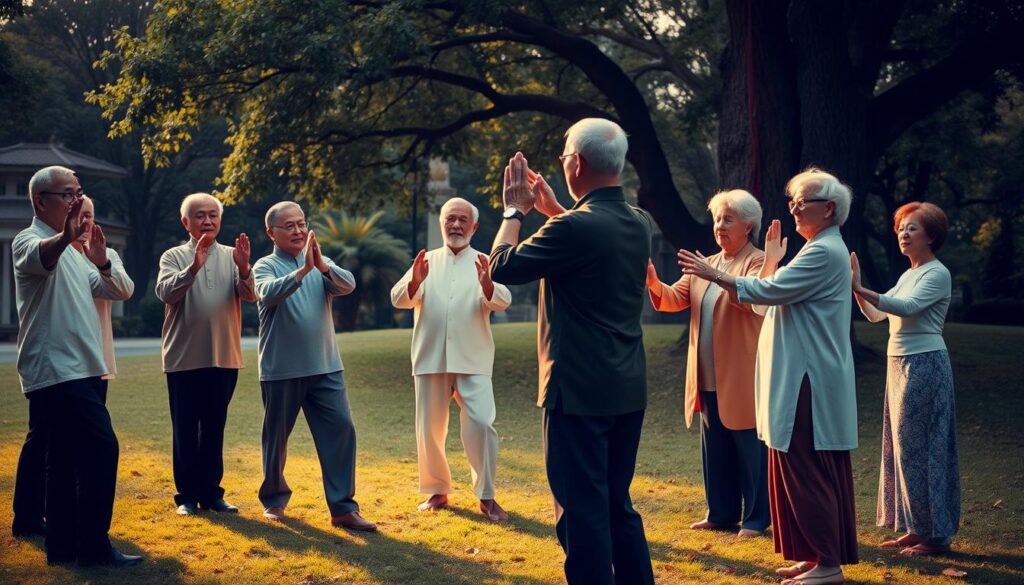
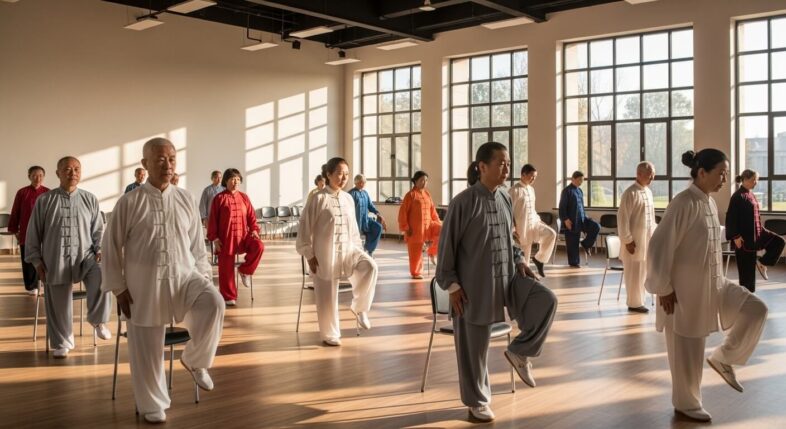
The good news is that balance exercises can reduce fall risk in seniors by training the muscles, joints, and nervous system to react faster when your body starts to tip. This article will talk about 15 great balance exercises broken into three categories: static, dynamic, and strength-and-flexibility work. The most effective fall prevention balance exercises for seniors include single-leg stands, heel-to-toe walking, weight shifts, and sit-to-stand movements, performed 3-4 times weekly for about 15 minutes a day using only a sturdy chair and some floor space. There are even chair-based variations for seniors in need of extra support. These seated chair tai chi exercises strengthen stabilizing muscles, improve proprioception, and reduce fall risk by up to 23% according to CDC research.
Why Balance Exercises Matter for Preventing Falls
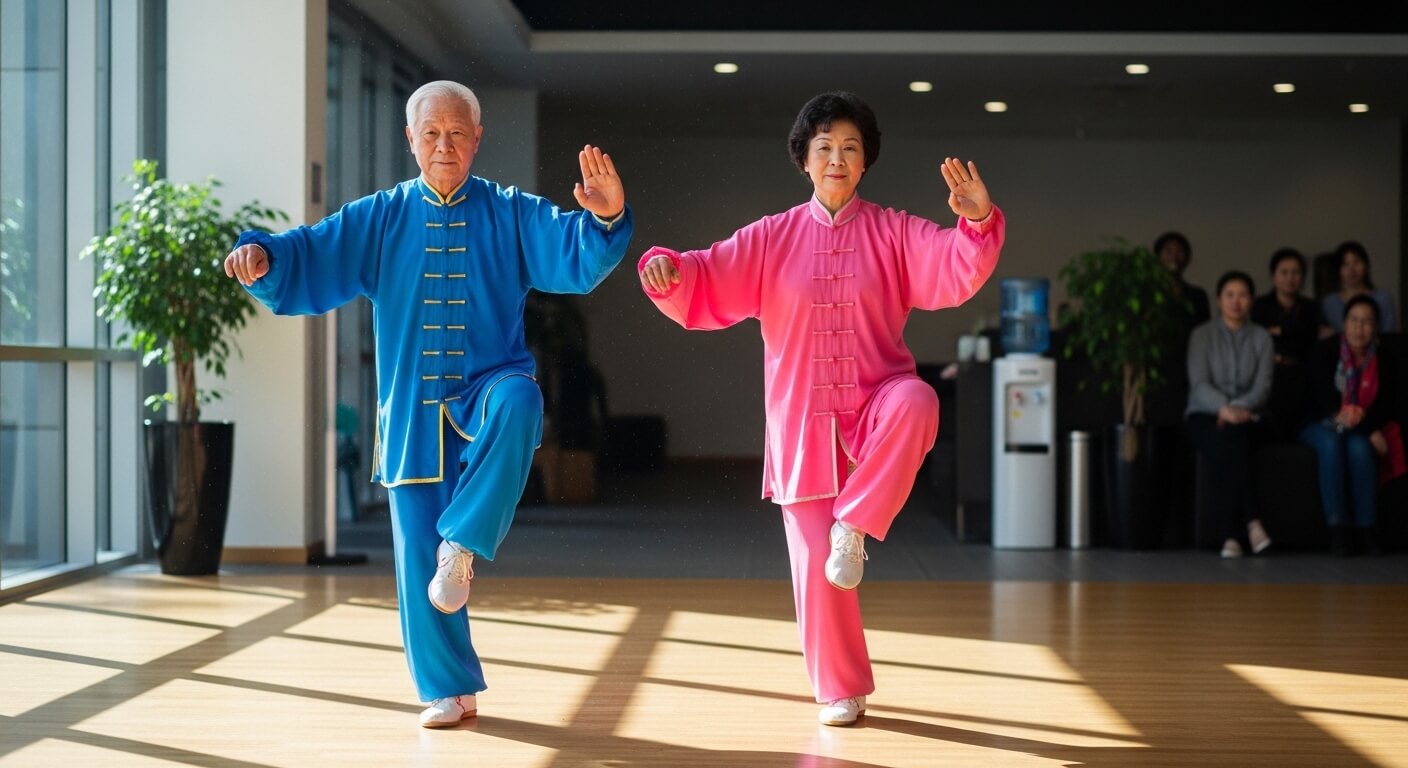
Balance exercises matter because falls are the leading cause of injury among adults over 65, and because they build core strength, enhance joint stability, and sharpen neuromuscular reaction times, which directly cuts down the chance of dangerous falls and fractures.
- The leading cause of injury: Falls are the number one cause of injury among adults over 65 — not car accidents, not household chemicals, falls.
- Most falls happen during ordinary moments: Reaching for a cabinet, turning around too fast, stepping off a curb. Not extreme situations. Everyday ones.
- Balance is three systems working together: Your eyes, your inner ear (the vestibular system), and something called proprioception (the sensors in your joints and muscles that tell your brain where your body is in space without looking) — balance depends on all three.
- All three decline with age: Slowly, sometimes without you even noticing. Not because you're doing anything wrong. It's just biology.
- Muscles weaken over time: without training, making it harder to catch yourself when you tip.
- Reaction time slows down, and the brain gets a little worse at processing "uh oh, I'm tipping" fast enough to correct it.
- That delay matters — it's often the difference between a stumble you catch and a fall you don't.
- Balance training reverses a lot of this: Studies on older adults consistently show fewer falls, better confidence, and improved walking speed after just a few months of regular practice.
- Progress takes time: not overnight, but it's real and measurable.
- The numbers back it up: Studies on structured balance training in older adults have shown reductions in fall risk of 20-40%, depending on consistency and starting point.
- What that actually means: That's not a small number. That's the difference between an independent life and a hospital stay.
Safety Guidelines for Seniors Before Starting
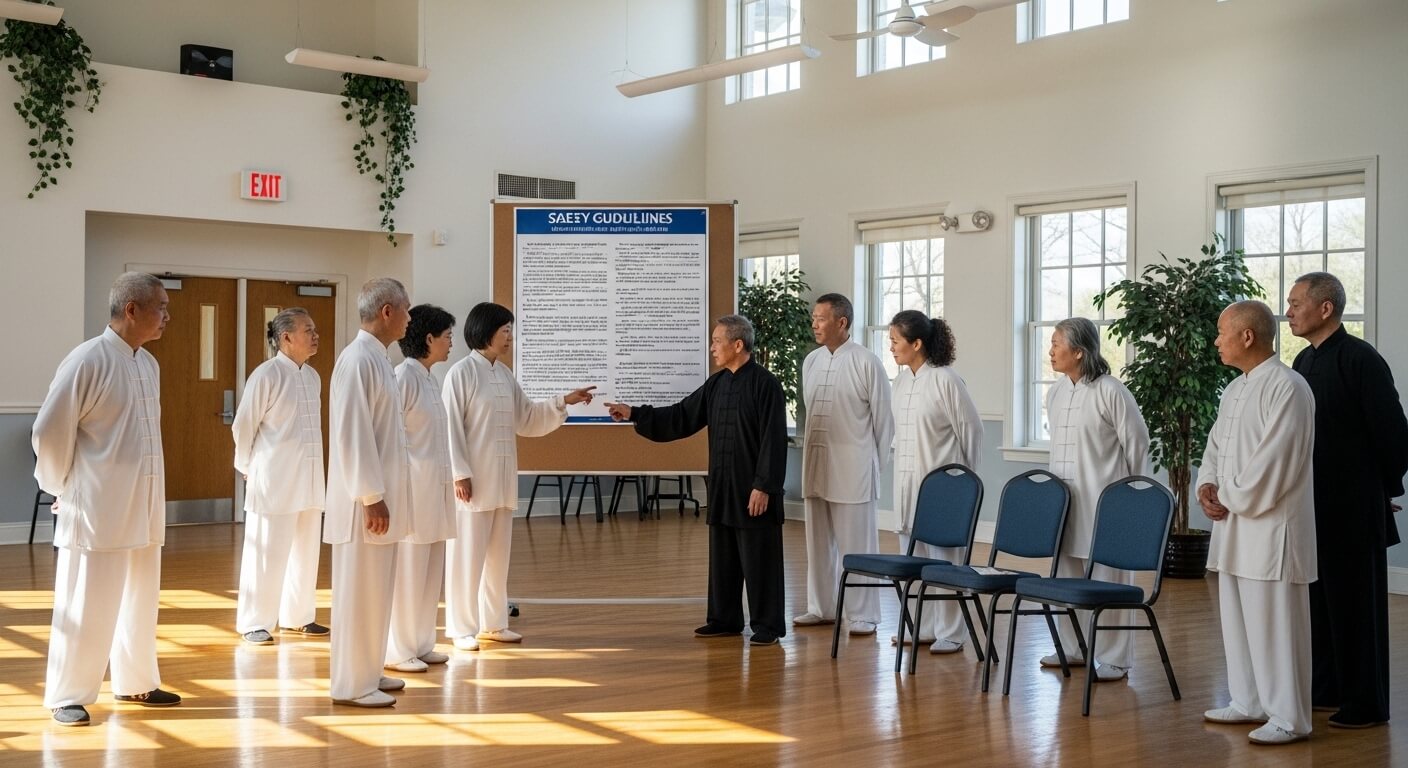
Safety guidelines for seniors starting a balance program come down to a few non-negotiables: have support nearby, wear the right shoes, and know when to stop. Always have a sturdy chair, countertop, or wall within reach — especially for anything done on one leg. Don't try these on carpet if you're unsteady (it messes with your footing more than you'd think), and skip the fuzzy socks.
A few more ground rules:
- Talk to your doctor first — especially if you've had a fall in the last year, have a heart condition, or use a walker or cane regularly.
- Have a sturdy chair, countertop, or wall within arm's reach at all times. Always.
- Have a spotter for the first few sessions. A family member, caregiver, or friend standing nearby isn't overkill. It's just smart.
- Wear supportive, flat shoes. No slippers. No socks-only. Bare feet are fine on non-slip flooring if that's more comfortable.
- Clear the space. Rugs, cords, pets underfoot — all of it needs to go.
- Start seated or with two-hand support if you're new to this, and only progress when a movement feels genuinely stable, not just "probably fine."
- Stop immediately if you feel dizzy, lightheaded, or short of breath. That's not weakness, that's your body telling you something.
- Keep water nearby and don't exercise on an empty stomach or right after a big meal.
- Prioritize consistency over intensity. Ten minutes a day, most days, will get you further than one exhausting hour once a week.
- Progress slowly. Rushing into unsupported single-leg holds when you're not ready is how injuries happen, not how confidence gets built.
Static Balance Exercises
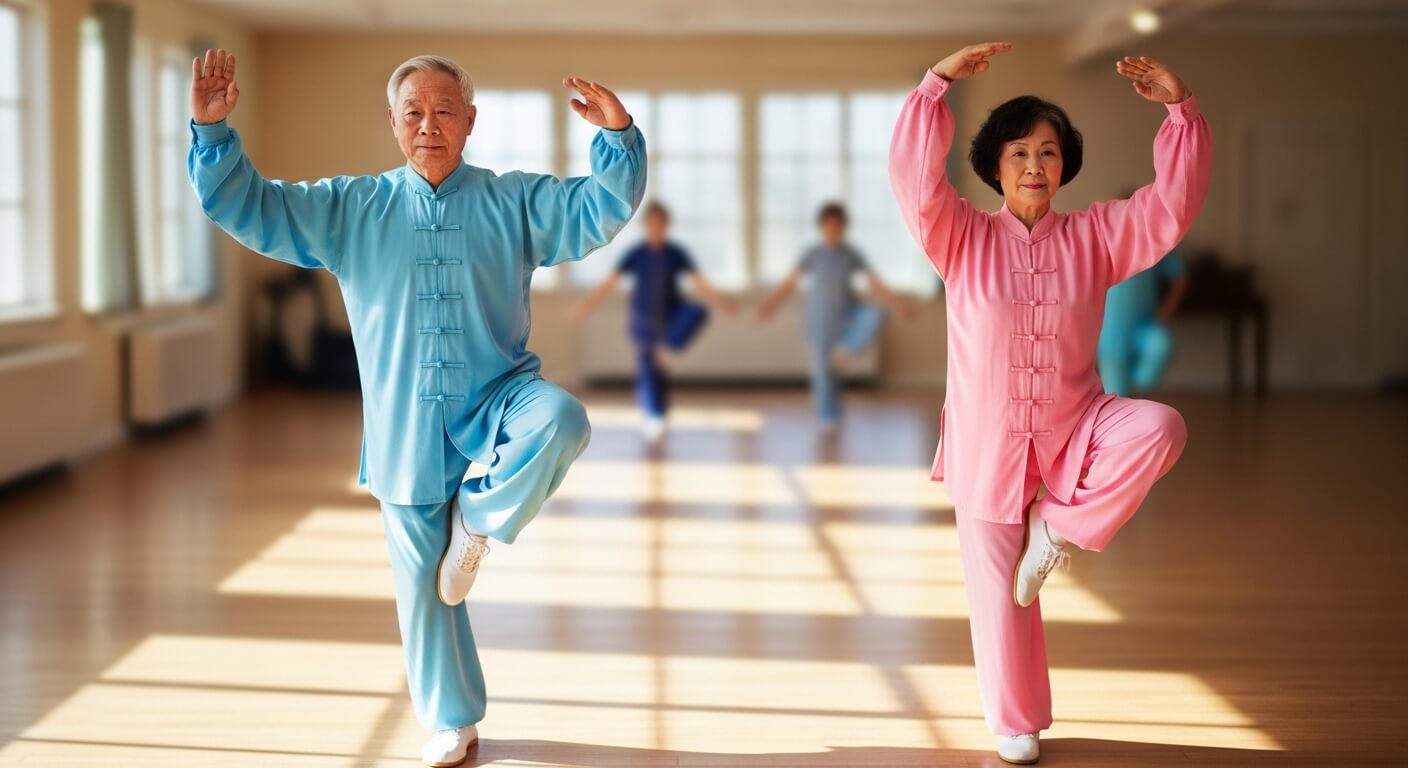
Static balance exercises train your body to hold a stable position without moving, which builds the foundational strength and stability your body needs before tackling anything more dynamic. These are the exercises where you plant your feet (or foot) and just… hold. Sounds easy. Isn't always. The first four exercises on this list fall into this category, and they're where almost every senior balance program starts.
Sit-to-Stand — Best for Building Functional Leg Strength
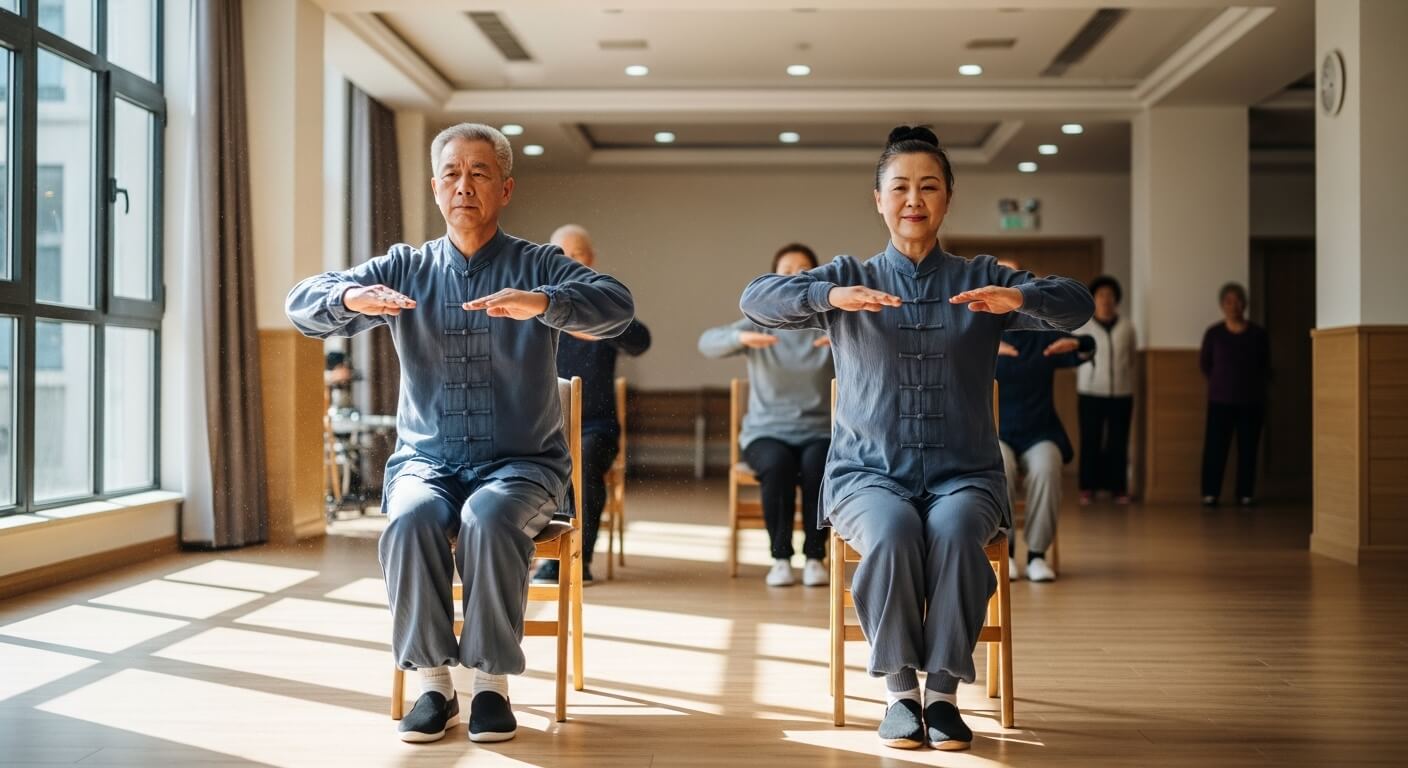
This exercise directly builds the leg and core strength you use every single day to get up from a chair, a couch, or the toilet — arguably the most functional movement on this entire list. It's deceptively simple, and that's exactly why it works so well for beginners.
Benefits:
- Builds quad and glute strength — the primary muscles responsible for standing up without using your hands.
- Improves core stability through the controlled lowering phase, which engages your abdominals more than people expect.
- Trains a movement you already do dozens of times a day, so the carryover to real life is immediate.
- Low fall risk — you're never far from the seated position if you lose balance.
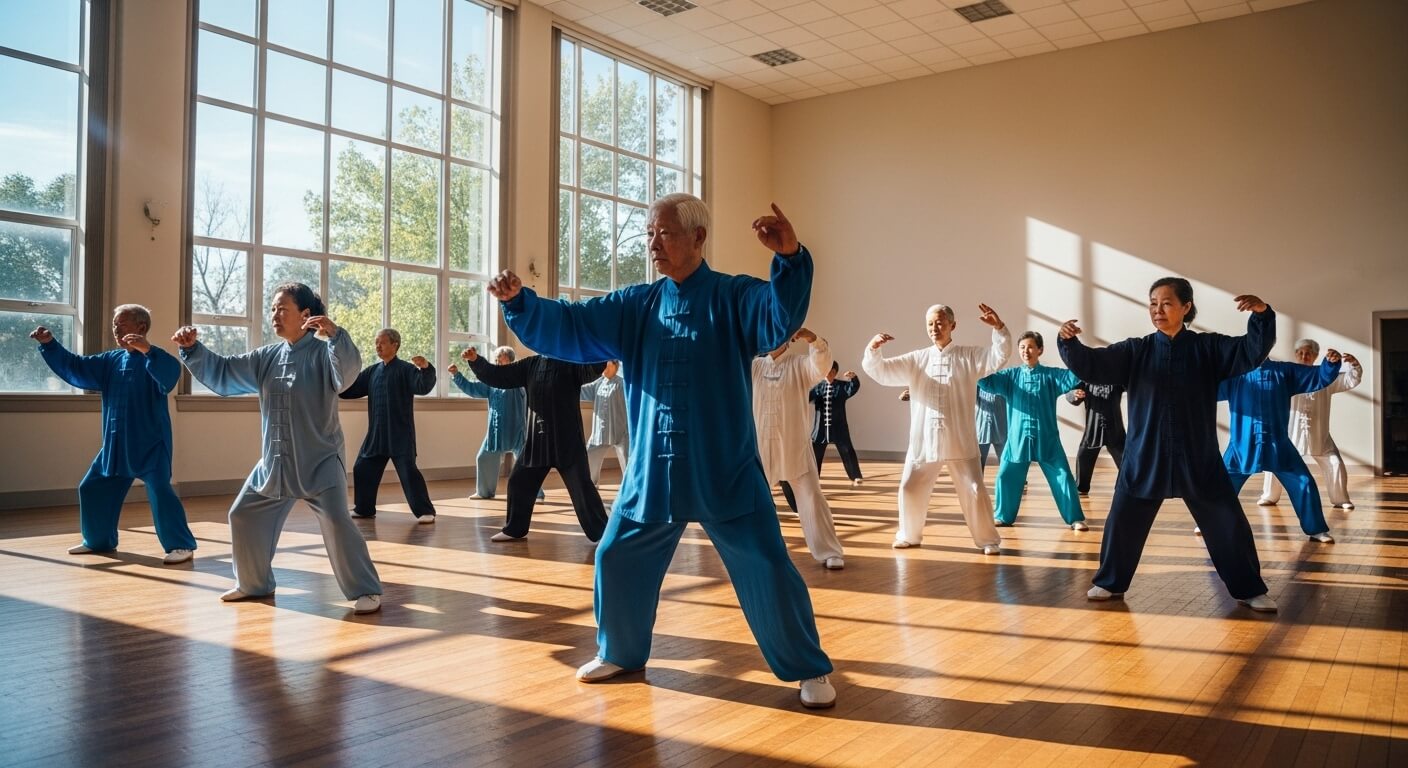
How to do it:
- Sit toward the front edge of a sturdy chair with feet flat, shoulder-width apart.
- Cross your arms over your chest, or extend them forward if you need the momentum.
- Exhale slowly over 2-3 seconds as you push through your heels and stand up.
- Pause for a full breath at the top, standing tall.
- Inhale as you lower back down slowly over 3-4 seconds — control the descent, don't just drop.
- Repeat 10-15 times for one set.
Single-Leg Stance — Best for Beginners
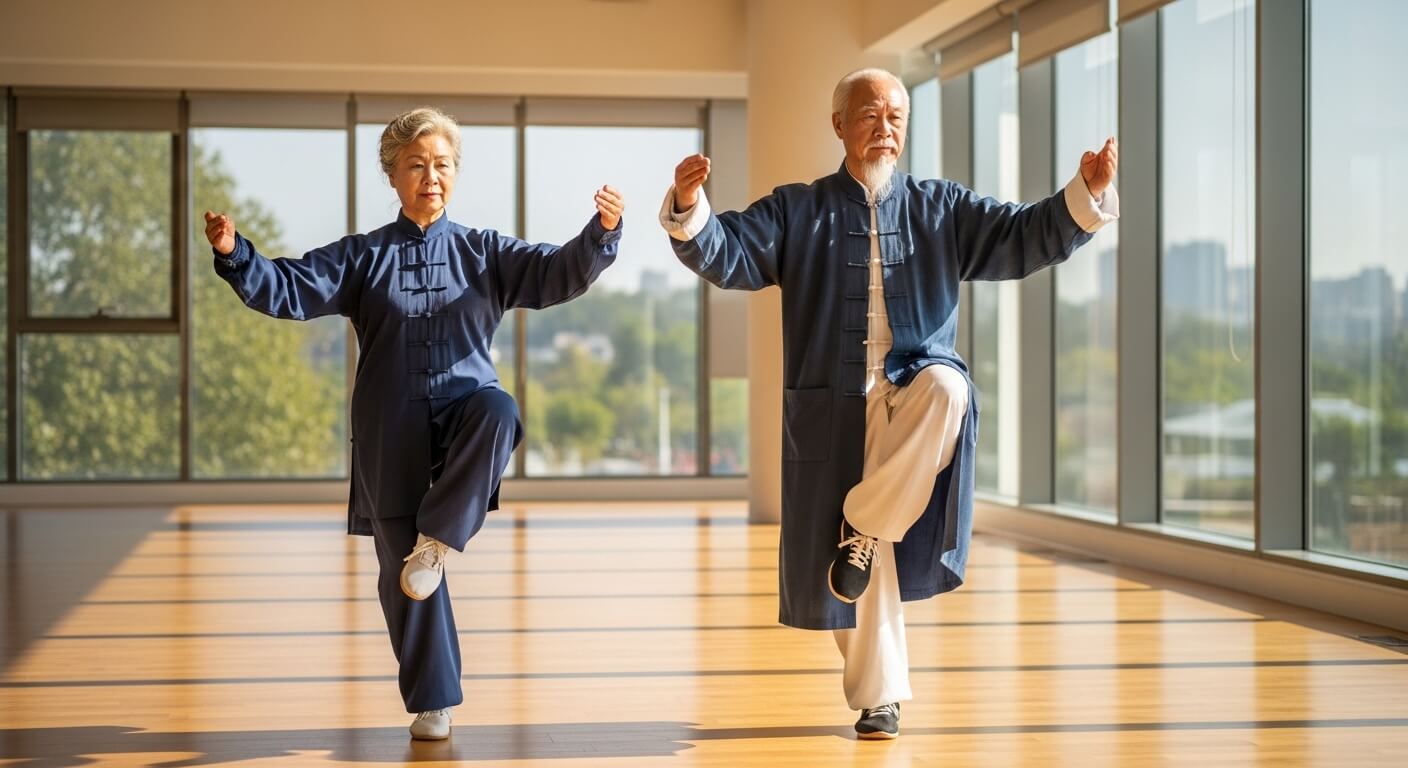
This is often the very first true balance test seniors try, because it isolates one leg and forces your stabilizer muscles to do all the work with nothing else to lean on. It's simple to explain. Hard to do well. And that gap is exactly the point.
Benefits:
- Strengthens hip stabilizers (specifically the gluteus medius), which are the muscles that keep you from tipping sideways.
- Improves ankle proprioception — your ankle's ability to make tiny, automatic corrections without you thinking about it.
- Builds confidence for real-world single-leg moments, like stepping over a curb or getting into a car.
- Highly scalable — you can go from finger-tip support to zero support as you improve.
How to do it:
- Stand behind a chair, holding the back with one or both hands.
- Shift your weight onto one leg and lift the other foot a few inches off the ground.
- Inhale for 4 seconds as you settle into the position.
- Hold for 10-30 seconds, breathing normally (don't hold your breath — that's a common mistake).
- Exhale slowly as you lower the lifted foot back down.
- Switch sides. Aim for 3 holds per leg.
Tandem Balance — Best for Ankle Stability
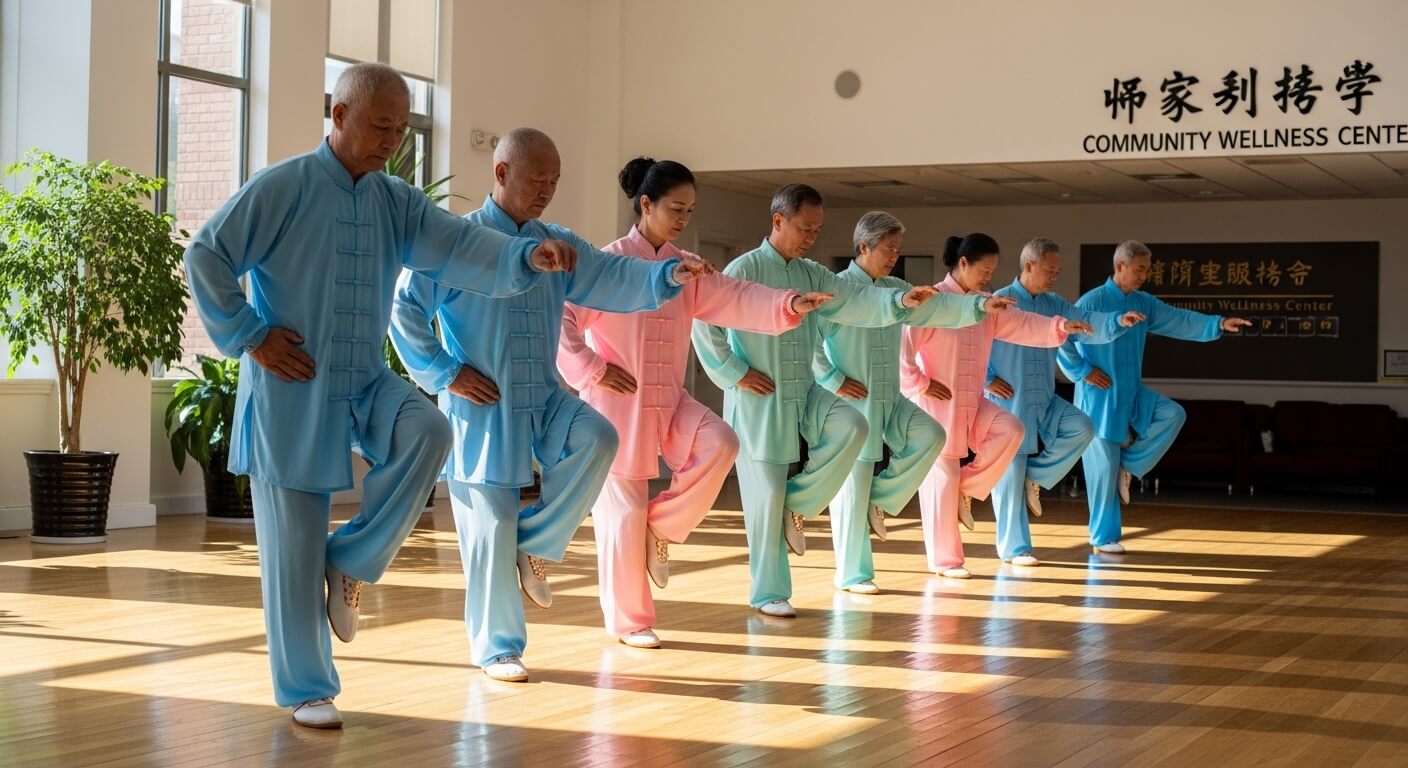
Tandem balance narrows your base of support to almost nothing, which makes it one of the best exercises for training the small ankle and foot muscles that keep you upright on uneven ground. Think tightrope walker, minus the actual rope.
Benefits:
- Targets the ankle stabilizers — small muscles that rarely get worked in normal daily movement.
- Improves gait stability, since walking naturally involves a narrow, shifting base of support.
- Sharpens visual-vestibular coordination, meaning your eyes and inner ear learn to talk to each other faster.
- Great progression step between two-foot stances and single-leg work.
How to do it:
- Stand next to a wall or counter for support.
- Place one foot directly in front of the other, heel touching toe, like you're standing on a balance beam.
- Inhale for 3-4 seconds as you find your footing.
- Hold the position for 15-30 seconds, breathing steadily and evenly the whole time.
- Exhale as you carefully step out of the position.
- Switch which foot is in front and repeat 2-3 times per side.
Chair Tai Chi — Best for Seniors with Limited Mobility
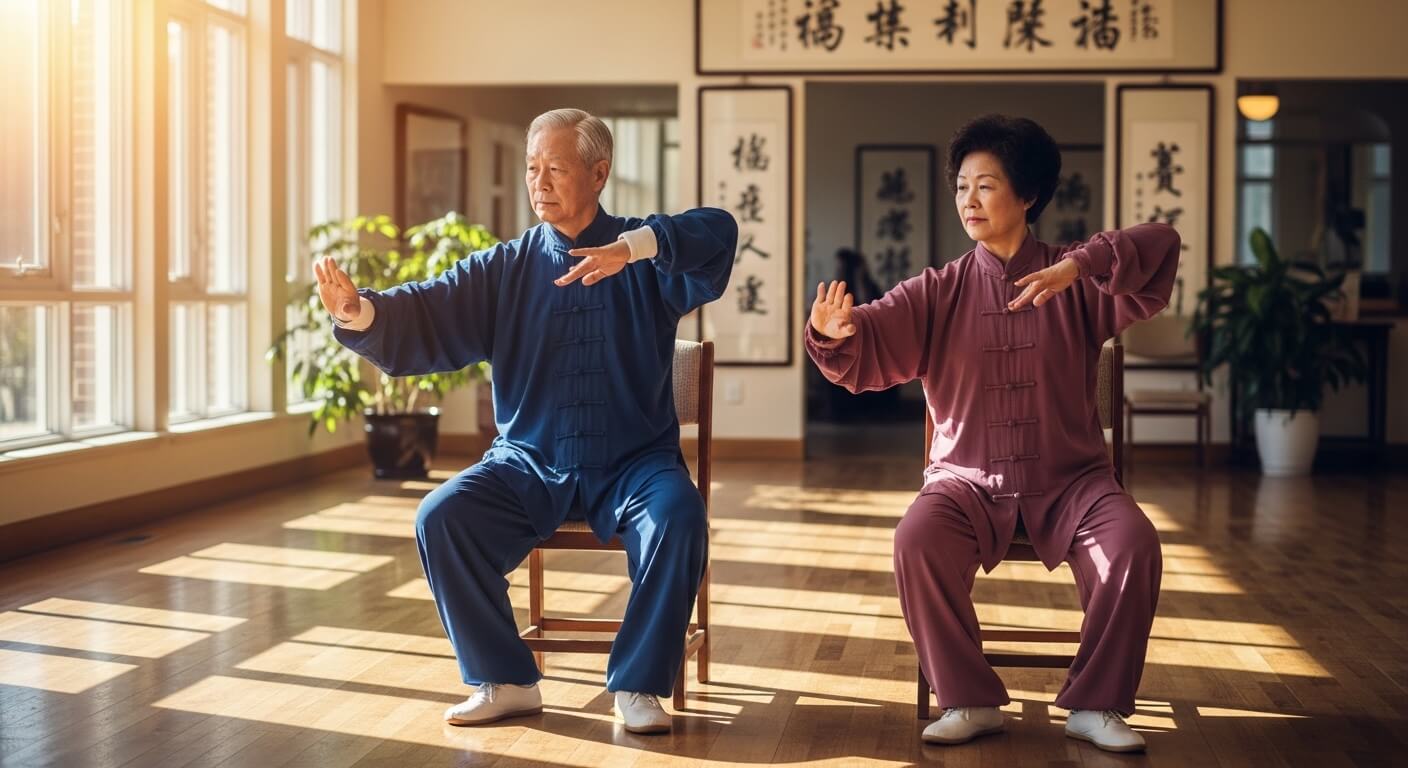
Chair Tai Chi delivers the slow, controlled weight-shifting benefits of traditional tai chi without requiring you to stand unsupported, making it the best entry point for anyone with limited mobility, joint pain, or a higher fall risk. It's gentle. It's still effective. Don't let the "chair" part fool you into thinking it's not real training.
Benefits:
- Improves core and postural control through slow, deliberate arm and torso movements.
- Reduces joint strain — no impact, no standing required, which makes it ideal for arthritis or recent injury.
- Trains breath control, which is a huge (and underrated) part of balance under stress.
- Calms the nervous system, and a calmer nervous system reacts faster and more accurately to real balance threats.
How to do it:
- Sit tall in a sturdy chair without armrests, feet flat on the floor.
- Inhale slowly for 4 seconds as you raise both arms out to the sides, up to shoulder height.
- Hold for one breath at the top.
- Exhale for 4-6 seconds as you lower the arms and gently rotate your torso to one side.
- Return to center on your next inhale.
- Repeat for 8-10 slow cycles, alternating sides.
Dynamic Balance Exercises
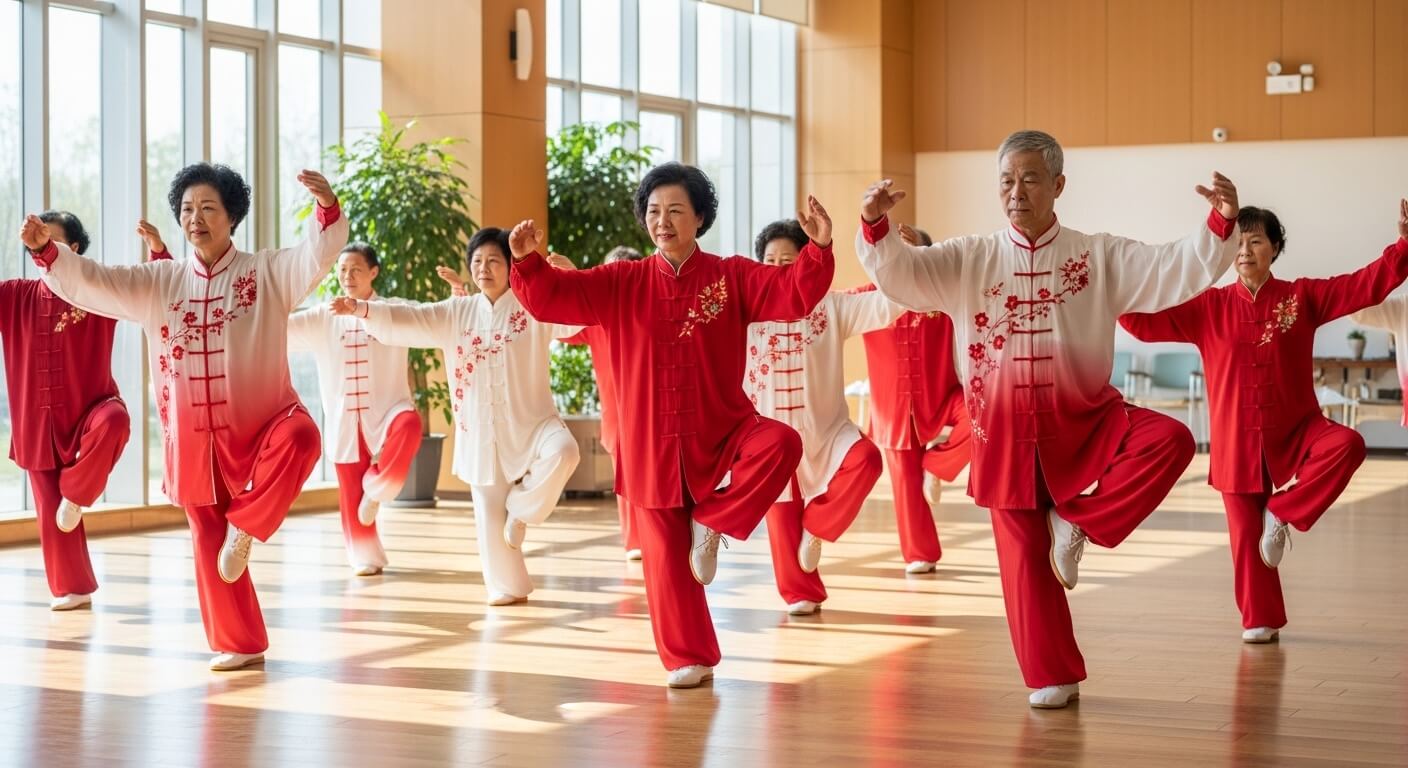
Dynamic balance exercises train your body to stay stable while it's actually moving, which is the skill you use constantly in real life — walking, turning, stepping around obstacles. Static holds are the foundation. This is where balance training starts looking (and feeling) like the real world. According to the Tai Chi Learning Center, this category is where most of the actual fall-prevention payoff happens, since most falls occur while moving, not standing still.
Heel-to-Toe Walk — Best for Everyday Walking Confidence
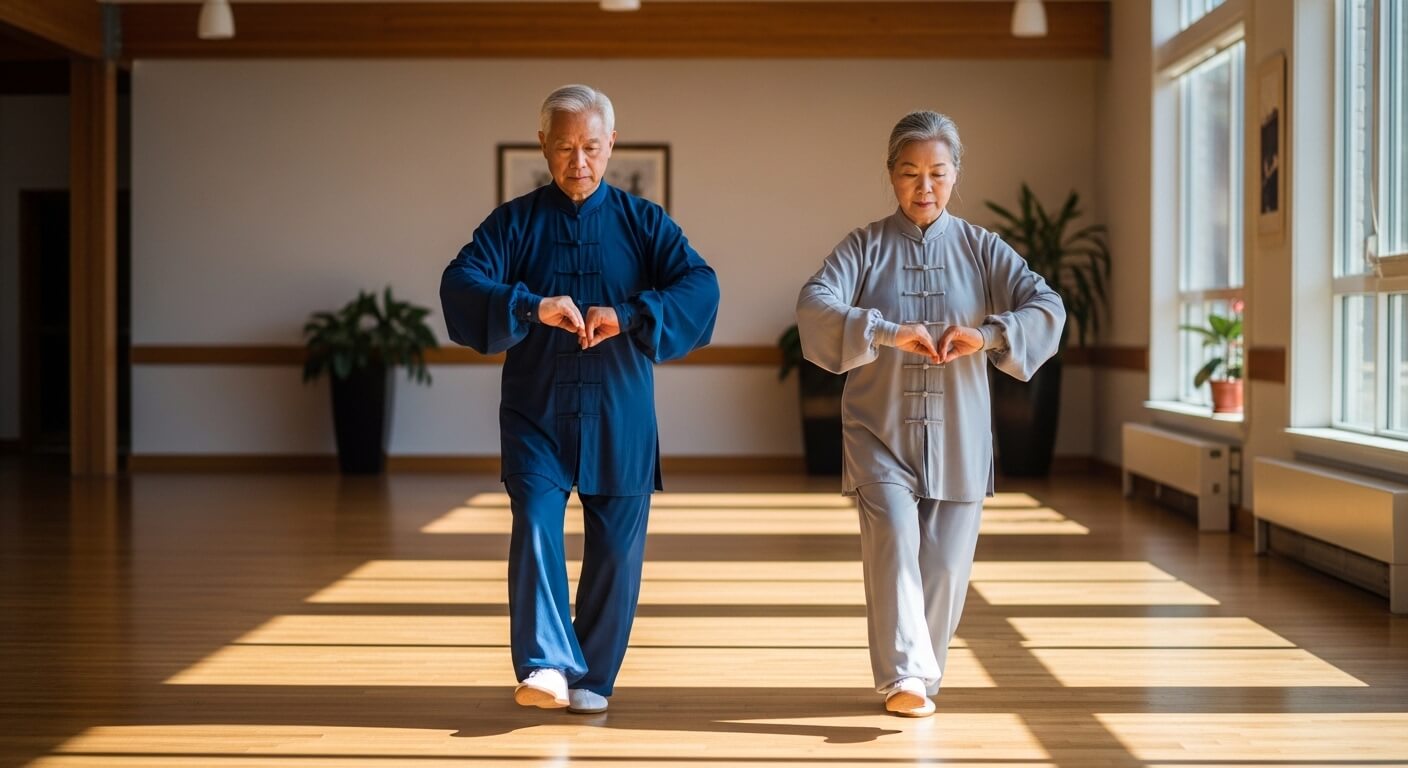
This exercise is essentially tandem balance in motion, and it directly rehearses the narrow, controlled gait pattern that keeps you steady on sidewalks, hallways, and uneven surfaces. Ten steps in a straight line. Sounds boring. It's not — ask anyone who's tried it after age 70.
Benefits:
- Builds gait confidence on narrow surfaces like sidewalks, curbs, or hallway thresholds.
- Strengthens the entire lower leg chain, from ankles to calves to hip stabilizers.
- Improves focus and proprioceptive feedback with every single step.
- Directly transfers to real-world walking, more than almost any other exercise on this list.
How to do it:
- Find a clear, straight path — a hallway works great — with a wall nearby for support if needed.
- Place your right heel directly in front of your left toe, touching or nearly touching.
- Inhale as you shift your weight forward onto that front foot.
- Exhale as you bring the back foot forward into the next heel-to-toe step.
- Continue for 10-15 steps, breathing in a steady rhythm — roughly one breath per step.
- Turn around carefully and walk back.
Sideways Walking — Best for Hip Stability
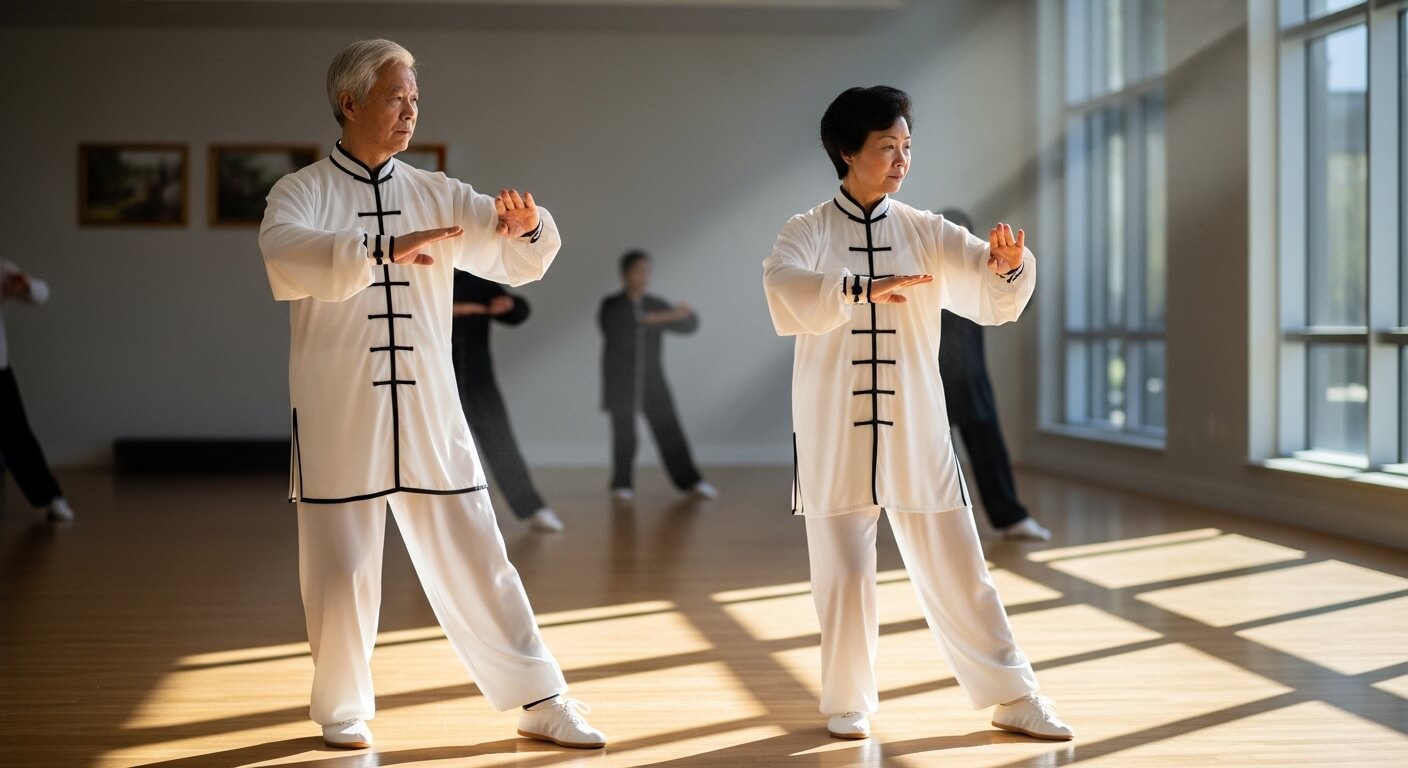
Sideways walking strengthens the hip abductors — muscles almost never used in forward walking — and that's exactly why it's so effective at preventing the sideways falls that cause the most hip fractures. Most of your daily movement is forward and back. This fills a real gap.
Benefits:
- Strengthens hip abductors and adductors, the muscles responsible for lateral (sideways) stability.
- Reduces risk of sideways falls, which are statistically the most likely to cause hip fractures.
- Improves coordination between your left and right sides.
- Low-impact and joint-friendly.
How to do it:
- Stand with feet hip-width apart, knees slightly bent, near a wall for support if needed.
- Step your right foot out to the side, inhaling for 2 seconds as you do.
- Exhale for 2 seconds as you bring your left foot in to meet it.
- Continue sideways for 10-12 steps.
- Reverse direction, leading with your left foot, and repeat.
Rock the Boat — Best for Weight-Shift Control
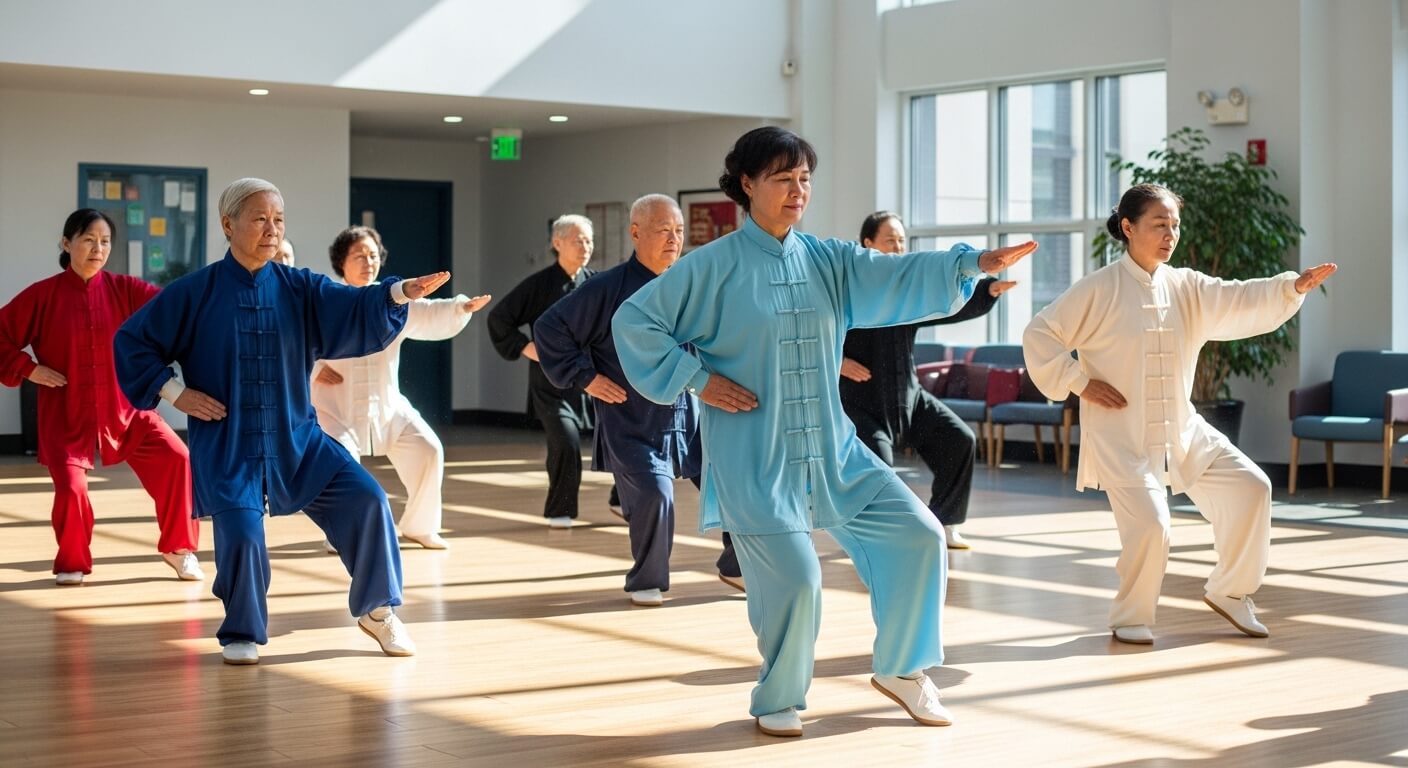
Rock the Boat trains one of the most underrated balance skills there is: controlled weight-shifting, which is exactly what your body needs when it catches an unexpected trip or stumble. It's slow. It's controlled. And it's sneaky good for building that split-second recovery reflex.
Benefits:
- Trains dynamic weight transfer between the left and right side of the body.
- Strengthens ankle and hip stabilizers simultaneously.
- Improves reaction time for catching yourself during an unexpected stumble.
- Builds trunk control as your torso adjusts to each shift.
How to do it:
- Stand with feet shoulder-width apart, near support.
- Inhale for 3 seconds as you shift your weight fully onto your right foot, lifting your left heel slightly.
- Hold for a moment at the top of the shift.
- Exhale for 3 seconds as you rock back over to the left foot, lifting the right heel.
- Continue this slow rocking motion for 10-12 full cycles.
Backward Walking — Best for Reaction Time
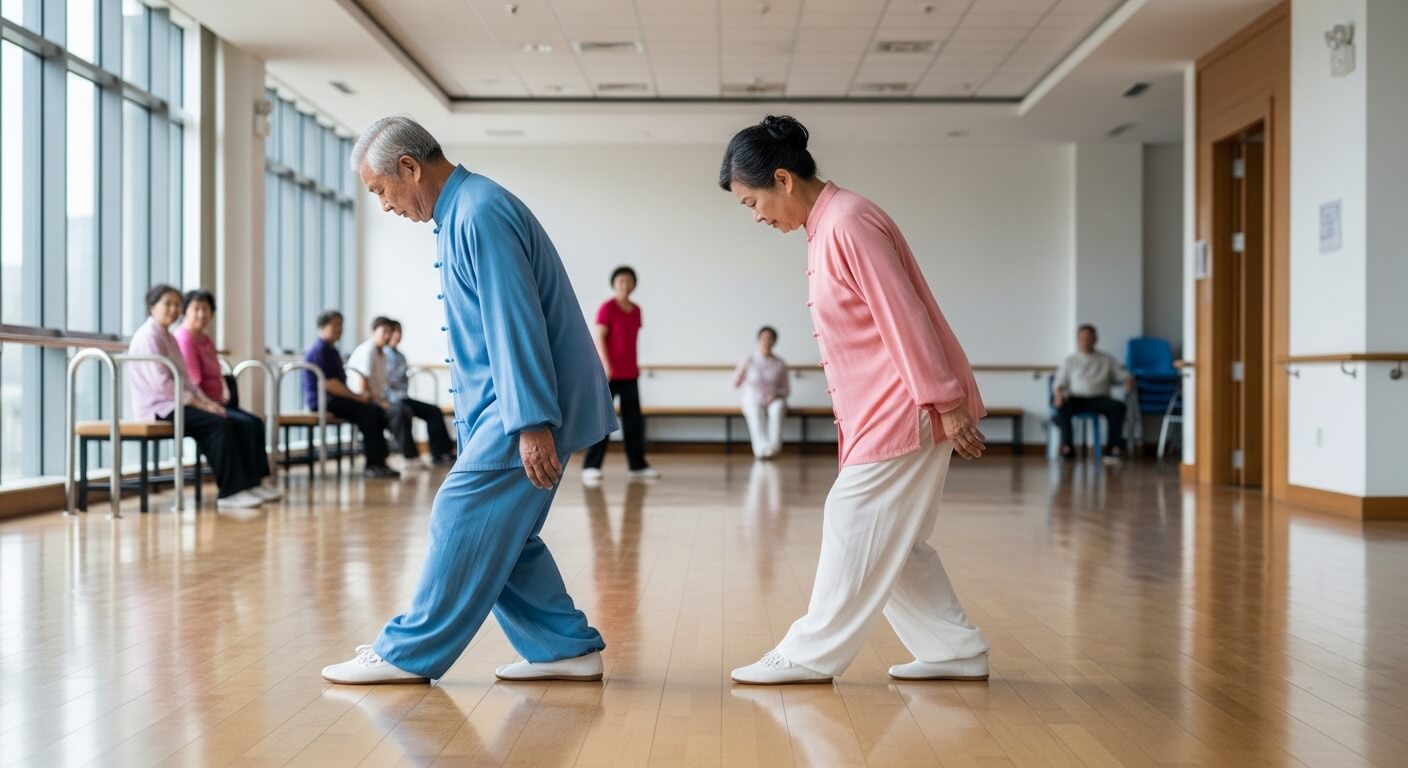
Backward walking sharpens your reaction time and spatial awareness faster than almost any other exercise here, because you can't rely on your eyes the way you normally do — your body has to guess, adjust, and correct on the fly. It's also, honestly, kind of fun once you get the hang of it.
Benefits:
- Improves proprioception and reaction time, since you're moving without full visual feedback.
- Strengthens the hamstrings and glutes in a way forward walking doesn't.
- Builds confidence for those "oops, I need to back up" moments — reaching into a cabinet, stepping back from a curb.
- Enhances spatial awareness overall.
How to do it:
- Choose a clear, obstacle-free path with a wall or counter within reach.
- Look over your shoulder briefly to check your path is clear, then face forward.
- Inhale for 2 seconds, then step backward with your right foot.
- Exhale for 2 seconds as you bring your left foot back to meet it.
- Repeat for 8-10 steps, moving slowly and deliberately.
Marching in Place — Best for Cardiovascular Endurance
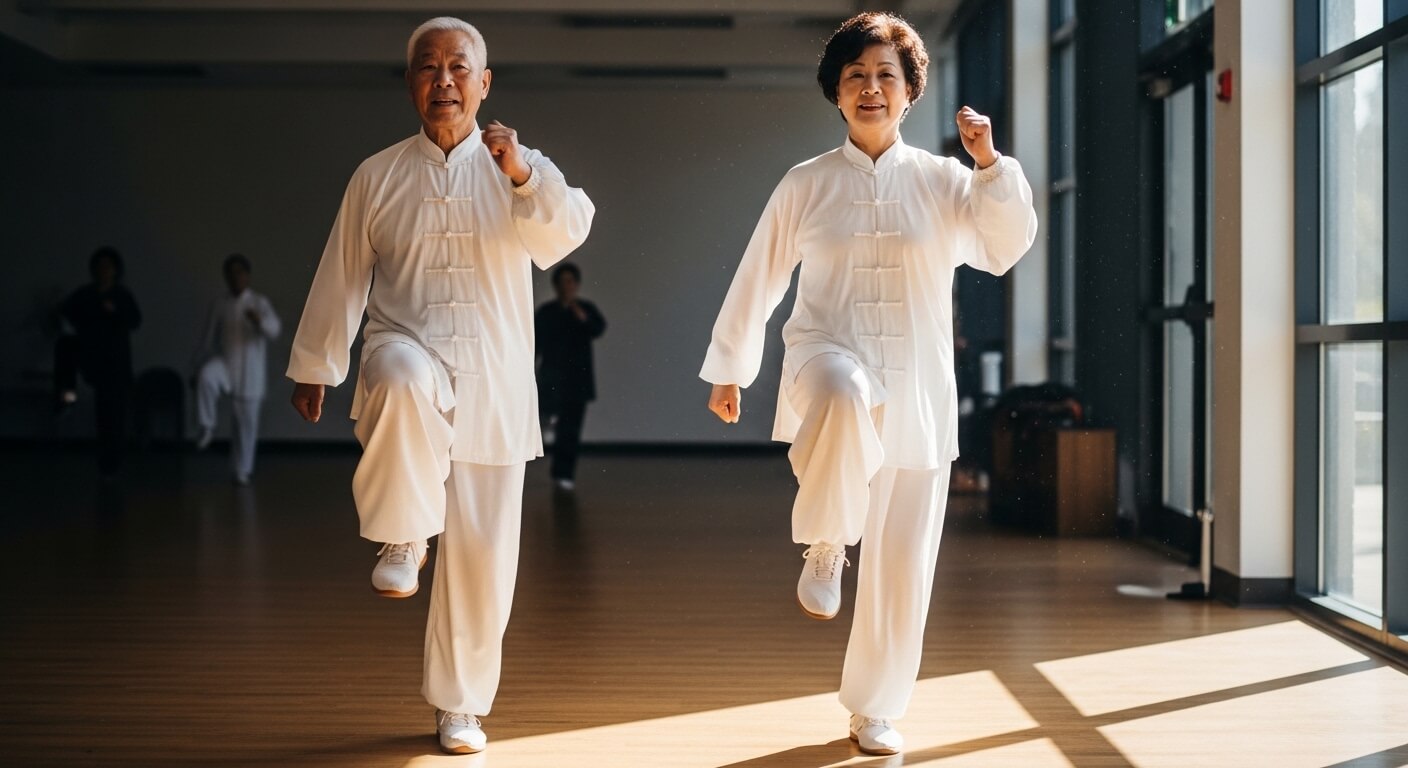
Marching in place combines balance training with a genuine cardiovascular component, making it the best pick on this list for seniors who want their balance work to double as light cardio. It raises your heart rate a bit. It works your hip flexors. And it's about as low-risk as dynamic exercises get.
Benefits:
- Raises heart rate gently, adding a cardio component to your balance routine.
- Strengthens hip flexors, which are crucial for lifting your feet high enough to avoid trips.
- Improves single-leg stability with every alternating step.
- Easy to scale up or down based on fitness level.
How to do it:
- Stand tall with feet hip-width apart, near support if needed.
- Inhale for 2 seconds, then lift your right knee toward your waist.
- Exhale for 2 seconds as you lower it back down.
- Repeat on the left side, alternating in a steady marching rhythm.
- Continue for 30-60 seconds, breathing in rhythm with your steps.
Figure-8 Walks — Best for Coordination
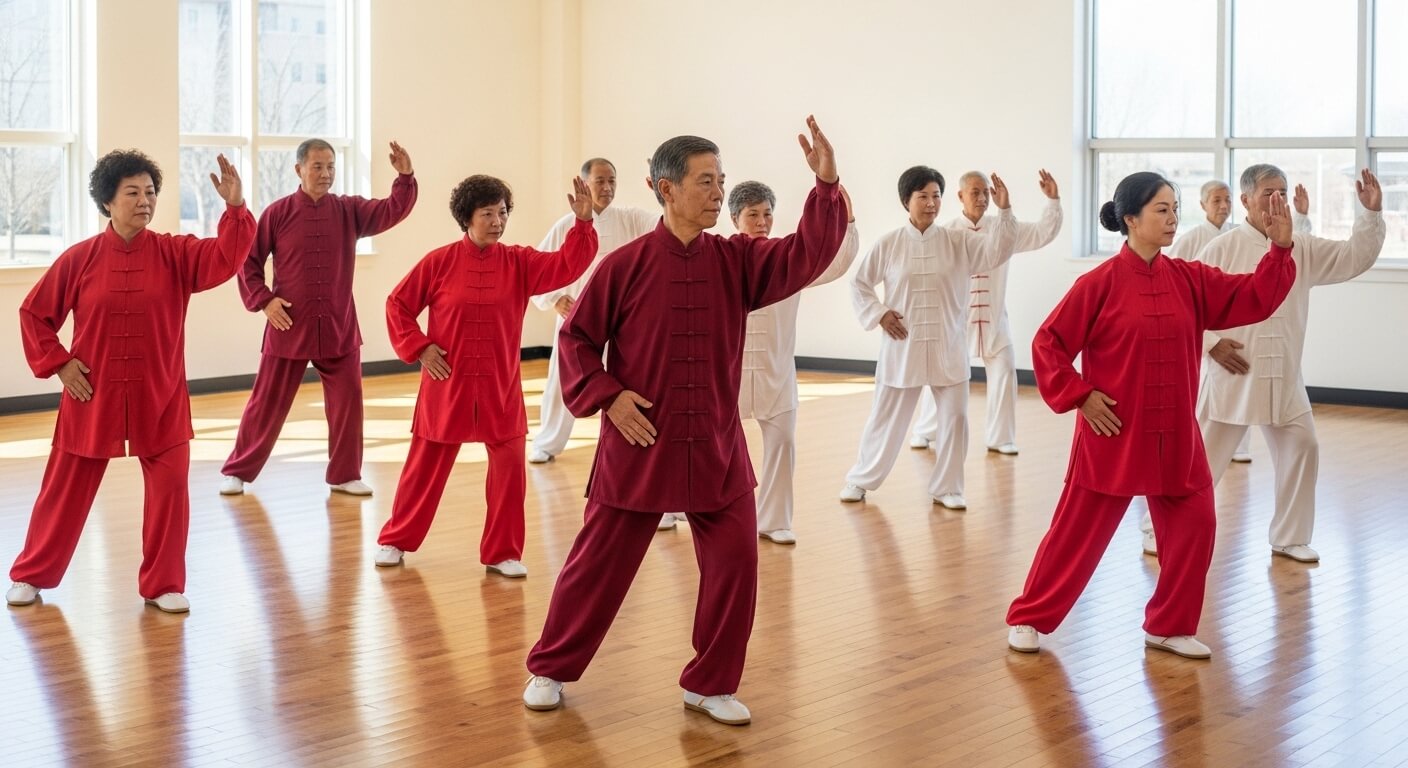
Figure-8 walks are one of the best exercises for coordination specifically because they force constant directional changes, and constant directional change is exactly what trips people up (literally) in daily life. Grocery store aisles. Crowded sidewalks. This exercise rehearses all of it.
Benefits:
- Improves multi-directional coordination, unlike straight-line walking exercises.
- Trains your vestibular system to handle turning and changing direction smoothly.
- Builds confidence in crowded or cluttered spaces, like stores or family gatherings.
- Enhances core rotation control.
How to do it:
- Set up two markers (shoes, cones, water bottles) about 6 feet apart.
- Walk in a slow figure-8 pattern around both markers.
- Inhale as you walk the straight sections between turns.
- Exhale as you make each turn around a marker.
- Complete 3-5 full figure-8 loops.
Tightrope Walk — Best for Advanced Balance Challenge
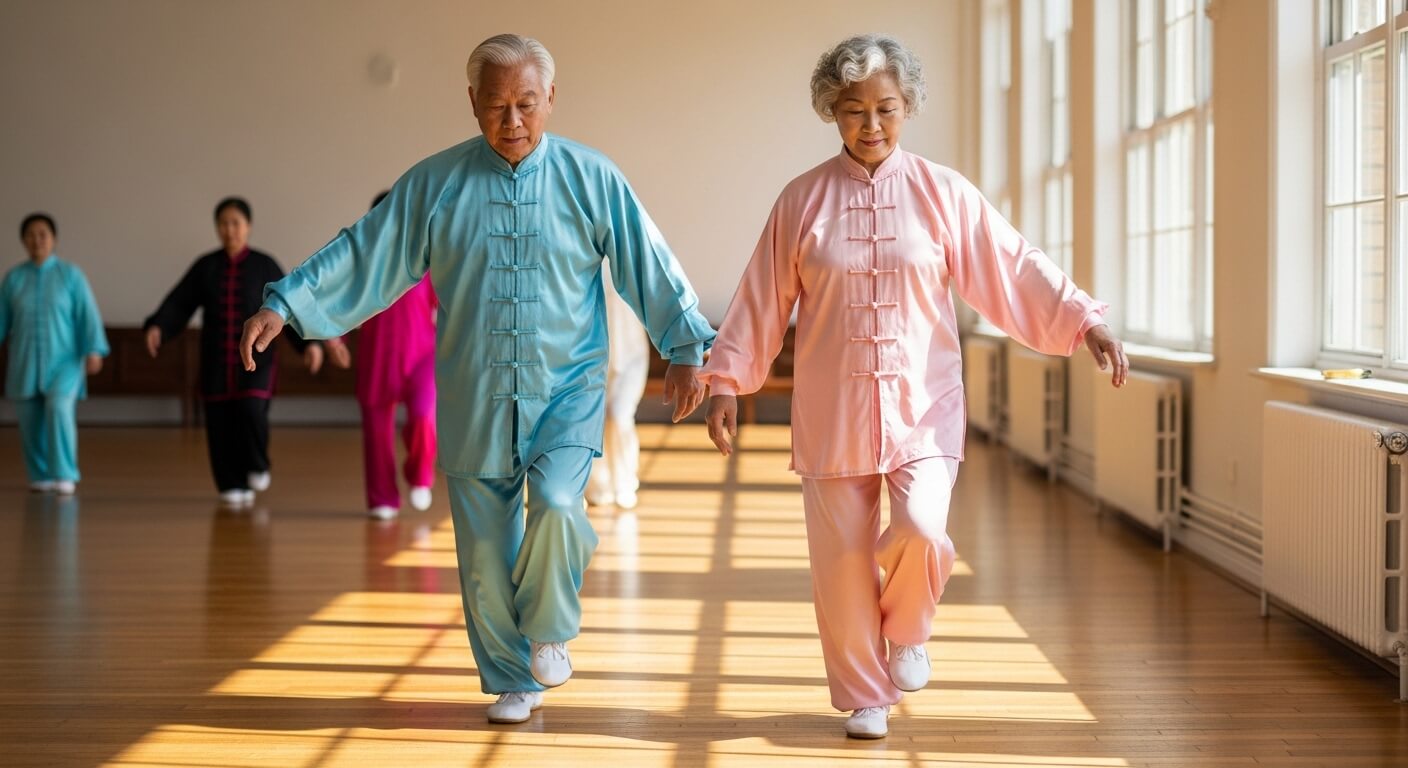
This is the most advanced dynamic exercise on the list, and it's the one to save until you've built real confidence with everything above it — it combines a narrow base, forward motion, and sustained focus all at once. Not for day one. Definitely worth working toward.
Benefits:
- Maximizes challenge to the vestibular and proprioceptive systems simultaneously.
- Builds serious ankle and core strength through sustained narrow-base walking.
- Sharpens focus and concentration, which matters more for balance than people realize.
- Best real-world simulation of walking on a curb, narrow path, or uneven sidewalk edge.
How to do it:
- Find a straight line — painted line, tape on the floor, or the edge of a rug.
- Stand at one end with arms out to your sides for counterbalance.
- Inhale for 2 seconds as you place one foot directly on the line.
- Exhale for 2 seconds as you bring the next foot forward, heel to toe.
- Continue for 8-10 steps, keeping your gaze fixed on a point ahead rather than looking down.
Strength and Flexibility Exercises
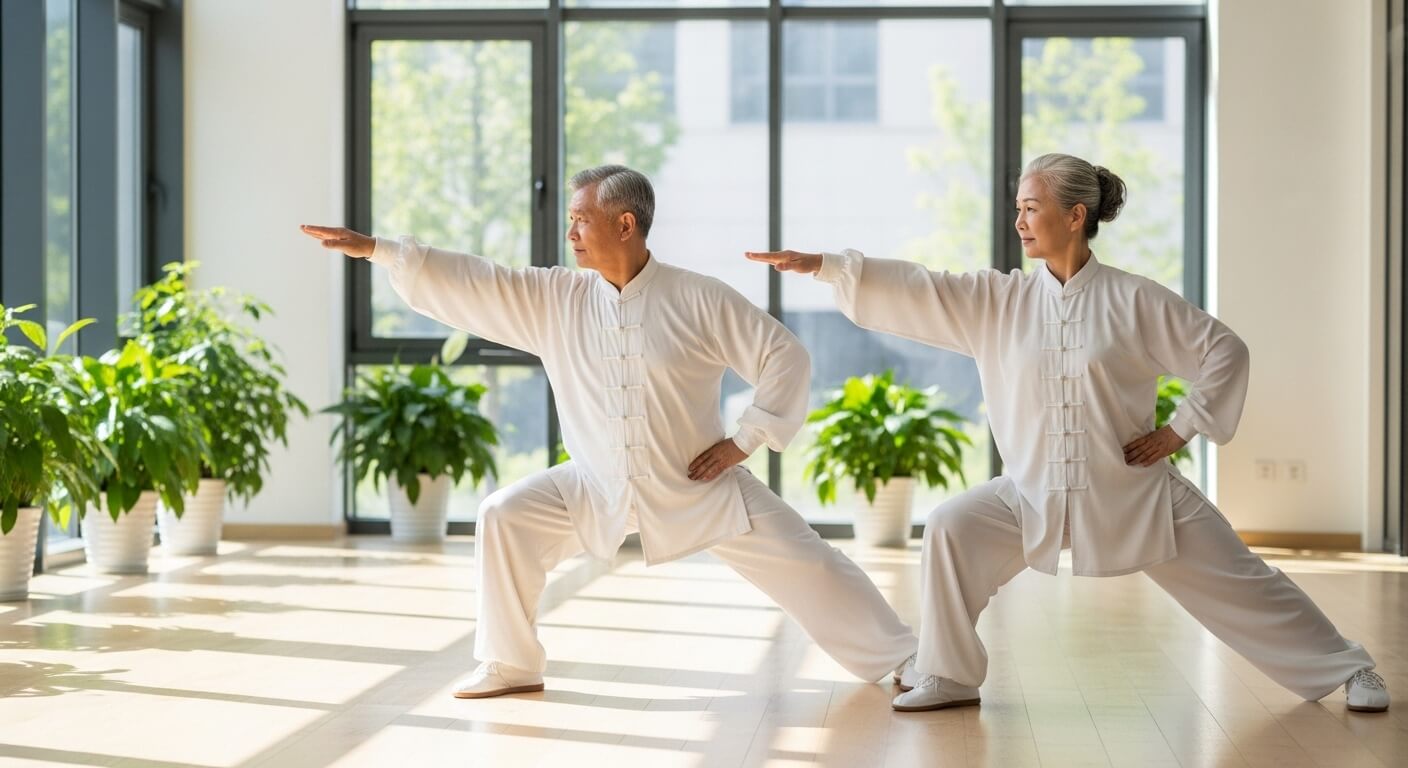
Strength and flexibility exercises round out a balance program by building the raw muscle power and joint range of motion that all the balance-specific work above depends on. You can practice balance all day, but if your calves, hips, and ankles are weak, there's only so far that gets you. These four exercises fill in the gaps.
Heel Raises — Best for Calf Strength
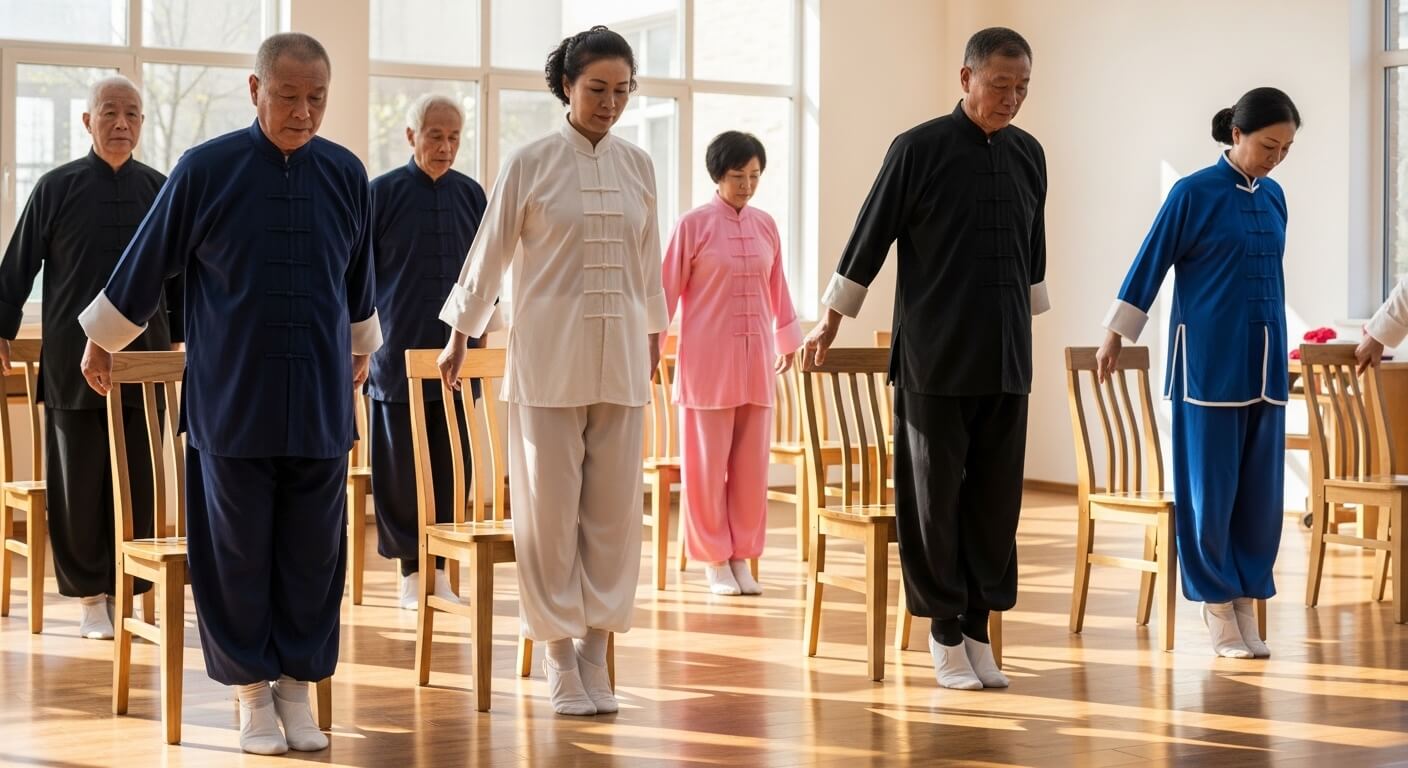
Heel raises build calf strength directly, and strong calves are what let you push off confidently with every single step you take, uphill or on flat ground. Simple movement. Massive payoff for something so basic.
Benefits:
- Strengthens the calf muscles (gastrocnemius and soleus), critical for push-off power when walking.
- Improves ankle stability by strengthening the muscles that control ankle movement.
- Supports better balance on uneven terrain, like grass or gravel.
- Easy to do almost anywhere — kitchen counter, bathroom sink, doesn't matter.
How to do it:
- Stand with feet hip-width apart, hands lightly resting on a counter for support.
- Exhale for 2 seconds as you rise up onto your toes, lifting your heels as high as comfortable.
- Hold for 1-2 seconds at the top.
- Inhale for 2-3 seconds as you lower your heels back down slowly.
- Repeat 12-15 times for one set.
Leg Raises — Best for Hip Flexor Strength
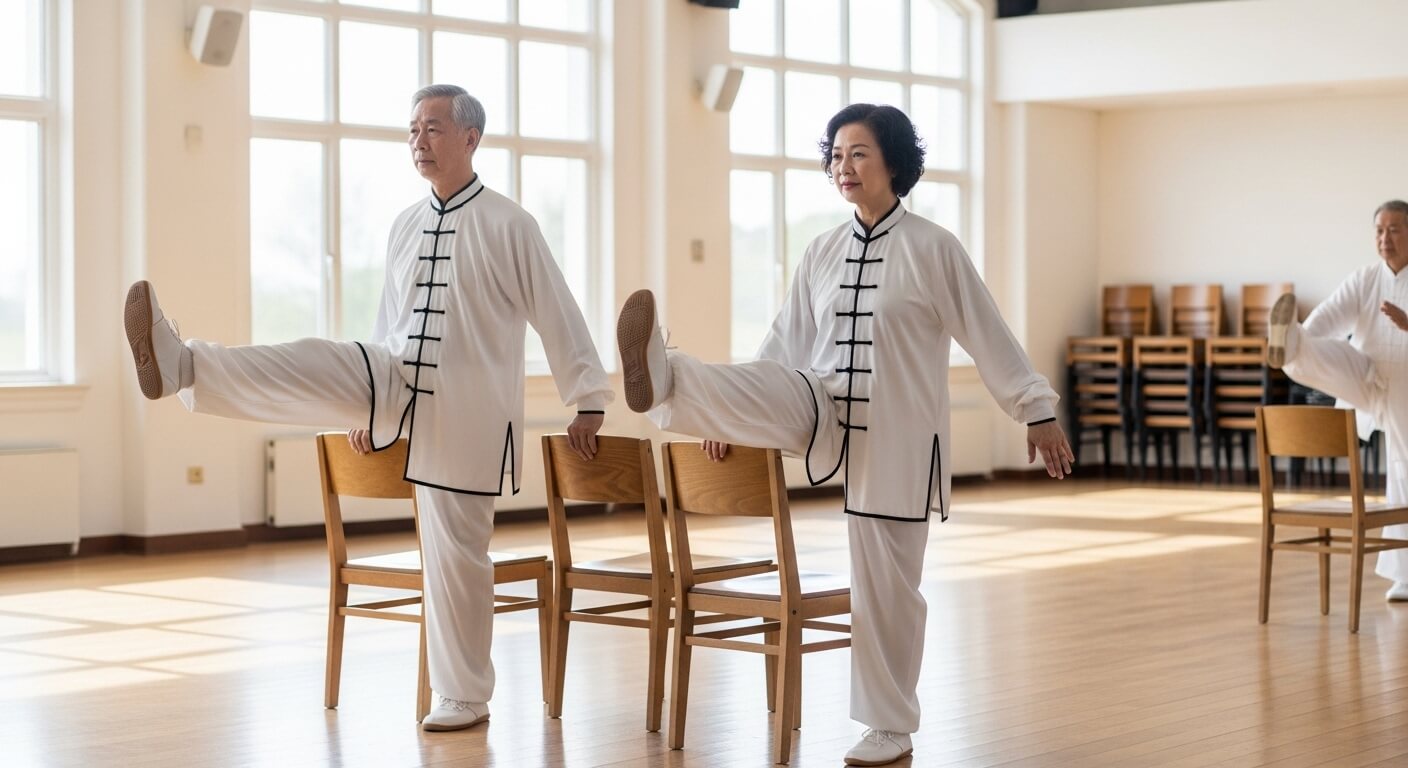
Leg raises isolate the hip flexors, and strong hip flexors are what let you lift your foot high enough to clear a curb, a rug edge, or a stair without catching your toe. This one's a big deal for trip prevention specifically.
Benefits:
- Strengthens hip flexors, the muscles responsible for lifting your leg during walking.
- Improves single-leg stability as one leg supports your full body weight.
- Reduces trip risk by improving foot clearance during walking.
- Builds core engagement as you stabilize your torso throughout.
How to do it:
- Stand behind a chair, holding on with both hands.
- Inhale for 2 seconds as you prepare, keeping your standing leg slightly soft (not locked).
- Exhale for 2-3 seconds as you lift one leg straight out in front, keeping it as straight as comfortable.
- Hold briefly at the top.
- Inhale as you lower the leg back down with control.
- Repeat 10-12 times, then switch legs.
Foot Taps — Best for Foot Agility and Quick Reactions
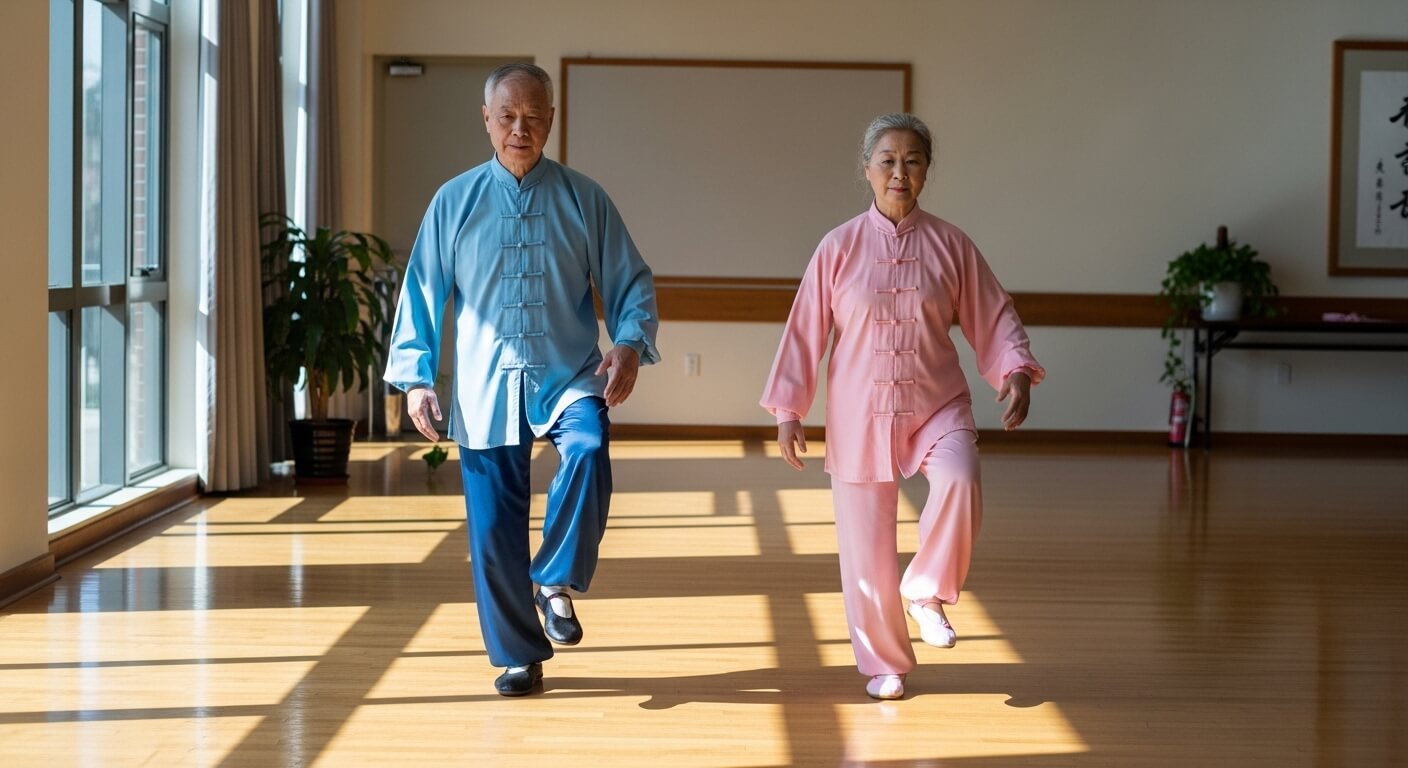
Foot taps train fast, precise foot placement, which is exactly what your body needs in that split-second moment when it has to catch an unexpected stumble. It's quick. It's a little tiring. And that's honestly a good sign it's working.
Benefits:
- Improves foot and ankle agility, useful for quick, corrective steps.
- Sharpens reaction time, which matters most in the exact moment you start to lose balance.
- Builds lower leg endurance for sustained walking activities.
- Trains quick weight transfer between feet.
How to do it:
- Place a low step, book, or yoga block in front of you (about 2-4 inches tall).
- Stand near support, feet hip-width apart.
- Inhale for 2 seconds to prepare.
- Exhale for 2 seconds as you tap your right foot on top of the block and bring it back down.
- Repeat with the left foot, alternating in a steady rhythm.
- Continue for 30-45 seconds.
Standing Side Leg Raises — Best for Hip Abductor Strength
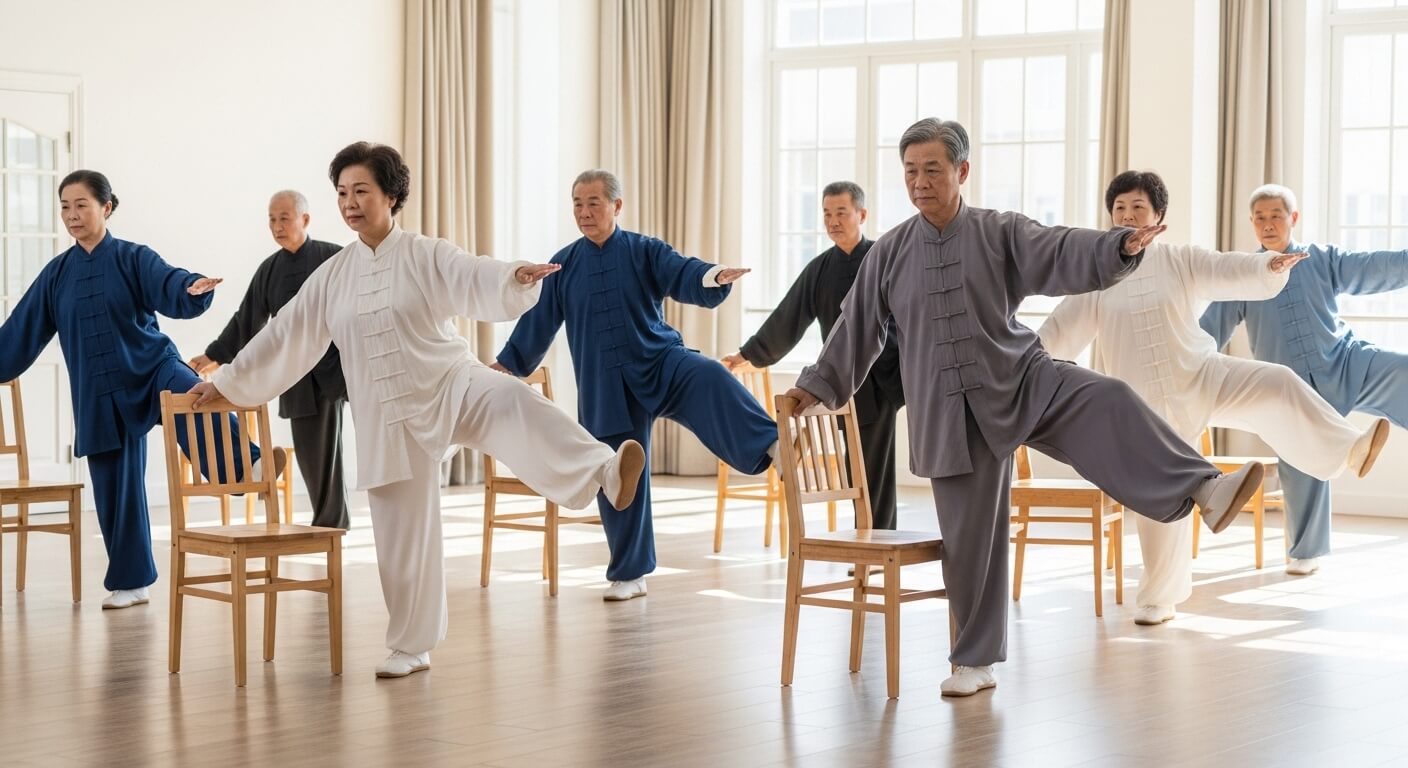
Standing side leg raises directly build the hip abductor strength that stops sideways falls before they start, making this the natural strength-training partner to the sideways walking exercise earlier on this list. Same muscle group. Different angle of attack.
Benefits:
- Strengthens hip abductors, the primary muscles preventing sideways falls.
- Improves single-leg standing stability as one leg bears full body weight.
- Complements sideways walking for complete lateral stability training.
- Low-impact and joint-friendly, suitable for most fitness levels.
How to do it:
- Stand behind a chair, both hands resting on the back for support.
- Inhale for 2 seconds as you shift weight onto your left leg.
- Exhale for 2-3 seconds as you lift your right leg out to the side, keeping your torso upright (no leaning).
- Hold briefly at the top of the lift.
- Inhale as you lower the leg back down with control.
- Repeat 10-12 times, then switch sides.
Sample Weekly Exercise Schedule
A sample weekly schedule for seniors starting balance training should mix static, dynamic, and strength exercises across most days of the week, with at least one full rest day built in. Here's a realistic starting point — nothing extreme, nothing that'll burn you out by Wednesday.
| Day | Focus | Exercises |
|---|---|---|
| Monday | Static balance | Sit-to-Stand, Single-Leg Stance, Tandem Balance |
| Tuesday | Strength | Heel Raises, Leg Raises, Standing Side Leg Raises |
| Wednesday | Dynamic balance | Heel-to-Toe Walk, Sideways Walking |
| Thursday | Rest or gentle Chair Tai Chi | Chair Tai Chi (optional) |
| Friday | Dynamic balance | Rock the Boat, Marching in Place, Figure-8 Walks |
| Saturday | Mixed | Pick 3-4 favorites, rotate weekly |
| Sunday | Rest | — |
Progression Guidelines
Progression in balance training means gradually removing support and increasing difficulty only after the current level feels genuinely stable, not just tolerable. Rushing this is where people get hurt. Slow is smooth, and smooth is what actually prevents falls.
A rough progression path looks like this:
- Full support first. Both hands on a counter or chair back until the movement feels controlled, not shaky.
- One-hand support next. Once you're steady, drop to fingertip contact with just one hand.
- No support, but a spotter nearby. Someone standing close, ready to catch you — this is a big psychological jump for most people.
- Fully independent. Only once you've genuinely nailed the step before it. Not before.
- Add distraction or complexity. Turning your head while holding a stance, or closing your eyes briefly (with support nearby) — this is advanced, and it's optional.
Common Exercise Mistakes
The most common mistakes in senior balance training are rushing progression, holding your breath, and skipping the warm-up — all three of which increase both injury risk and how discouraged you'll feel if things don't go smoothly. None of these mistakes are dramatic on their own. They just quietly undermine the whole effort.
- Holding your breath during holds. It spikes blood pressure and actually makes you less stable, not more.
- Skipping support too early. Confidence isn't the same as readiness.
- Practicing on unstable or cushioned surfaces, like a thick rug or memory foam mat — it changes the exercise entirely, and not in a good way.
- Doing balance work when overly fatigued or right after a big meal. Your reaction time tanks in both situations.
- Comparing your pace to someone else's. Balance training isn't a race. Ever.
- Wearing the wrong footwear — slippers, loose sandals, socks on hardwood. All bad ideas here.
Beyond Exercise: Complete Fall Prevention
Exercise is one piece of fall prevention, but a genuinely fall-safe home also requires clearing tripping hazards, improving lighting, and having vision and medications regularly reviewed. You could have perfect balance and still trip over a loose rug in a dim hallway at 2 AM. So let's cover the rest.
- Remove tripping hazards. Loose rugs, cords, clutter in walkways — the boring stuff that causes the most falls.
- Improve lighting, especially in hallways, stairs, and bathrooms. Nightlights genuinely help.
- Install grab bars in the shower and near the toilet. Not a sign of weakness. A sign of smart planning.
- Get vision checked annually. Poor depth perception is a massive, underrated fall risk factor.
- Review medications with a doctor or pharmacist. Some combinations cause dizziness or drowsiness without you realizing it's the cause.
- Wear proper footwear at home, not just outside. This one gets skipped constantly.
Expected Results and Timeline
Most seniors notice measurable balance improvements within 4-6 weeks of consistent practice, with more significant fall-risk reduction showing up around the 3-month mark. It's not instant. But it's faster than most people expect, honestly.
Here's roughly what that timeline tends to look like:
- Weeks 1-2: Exercises feel awkward, maybe even harder than expected. That's completely normal — you're building new neural pathways, not just muscle.
- Weeks 3-4: Holds get easier. You'll likely need less hand support than when you started.
- Weeks 5-8: Noticeable improvement in daily confidence — getting up from chairs, navigating stairs, walking on uneven ground.
- Months 2-3: This is where the research shows measurable fall-risk reduction really kicks in, assuming consistent practice.
Consistency matters more than intensity here. Three sessions a week, done consistently for months, beats one brutal session a week, every single time.
When to Seek Professional Help
Seek professional help — from a physical therapist, doctor, or balance specialist — if you've had a fall in the past year, feel persistently unsteady, or notice these exercises aren't getting easier after several weeks of consistent practice. Some balance issues have underlying causes that exercise alone won't fix, and that's worth ruling out early rather than late.
Watch for these signs specifically:
- You've fallen, or nearly fallen, in the last 12 months. This alone warrants a professional balance assessment.
- Dizziness or vertigo during exercises, especially if it's new or worsening.
- Numbness or tingling in your feet, which could point to a nerve issue affecting proprioception.
- No improvement after 4-6 weeks of consistent practice — something else might be going on.
- Fear of falling that's limiting your daily activities, even if you haven't actually fallen. That fear itself is worth addressing.
How Often Should Seniors Do Balance Exercises?
Seniors should aim for balance exercises at least 3 times per week, with sessions lasting 15-30 minutes, though daily practice of shorter, simpler exercises like single-leg stands offers even faster results. There's no universal magic number — but consistency matters way more than any single session's length.
A few practical benchmarks:
- Minimum effective dose: 2-3 sessions weekly, 15-20 minutes each, focused on static and strength exercises.
- Ideal target: 3-5 sessions weekly, mixing static, dynamic, and strength work like the sample schedule above.
- Daily micro-practice: Even 2-3 minutes of single-leg stands while brushing your teeth adds up over weeks.
- Rest matters too. At least one full rest day weekly prevents overuse and keeps motivation up.
The Role of Tai Chi and Yoga in Fall Prevention
Tai Chi and yoga reduce fall risk by combining slow, controlled movement with deep breath work and mental focus — a combination that research consistently shows outperforms standard balance exercises alone for older adults. It's not just anecdotal, either. Multiple clinical studies have found tai chi practitioners cut their fall risk nearly in half compared to non-practitioners.
Why does it work so well?
- Slow, deliberate movement forces constant micro-adjustments, training the same systems as dedicated balance drills.
- Deep, controlled breathing lowers stress hormones, and calmer nervous systems react faster and more accurately.
- Weight-shifting is built into nearly every tai chi form, which mirrors real-world walking and turning far more than isolated exercises do.
- Mind-body focus improves proprioception — that inner sense of where your body is in space — over time.
- Yoga adds a flexibility component tai chi doesn't emphasize as much, which helps with joint range of motion, especially in the hips and ankles.
Tracking Your Balance Progress
Tracking balance progress means keeping simple, consistent records — timed holds, support level used, and how exercises feel week to week — rather than relying on memory, which tends to underestimate how much you've actually improved. A journal doesn't need to be fancy. A notebook by your exercise mat works just fine.
A few things worth tracking:
- Time held on single-leg stance, per side, logged weekly. This number climbing is one of the clearest progress markers there is.
- Support level used — two hands, one hand, fingertip, none. Note the shift as it happens.
- Number of reps completed for strength exercises like heel raises and leg raises.
- How steady you feel doing daily tasks — getting out of the car, stepping off a curb. Subjective, but genuinely meaningful.
- Any near-falls or stumbles, and what was happening right before. Patterns show up here that are easy to miss otherwise.
Even a quick weekly check-in — two minutes, tops — makes the gains visible in a way that just "feeling a bit better" never quite does. And seeing that progress on paper? That's often what keeps people showing up week after week.